
What deep WSOP fields reveal about bankroll pressure, tilt control, and session discipline
Deep tournament fields can magnify variance, fatigue, and emotional swings. Here’s how to turn that reality into better bankroll planning, tilt control, and session discipline.
Short answer
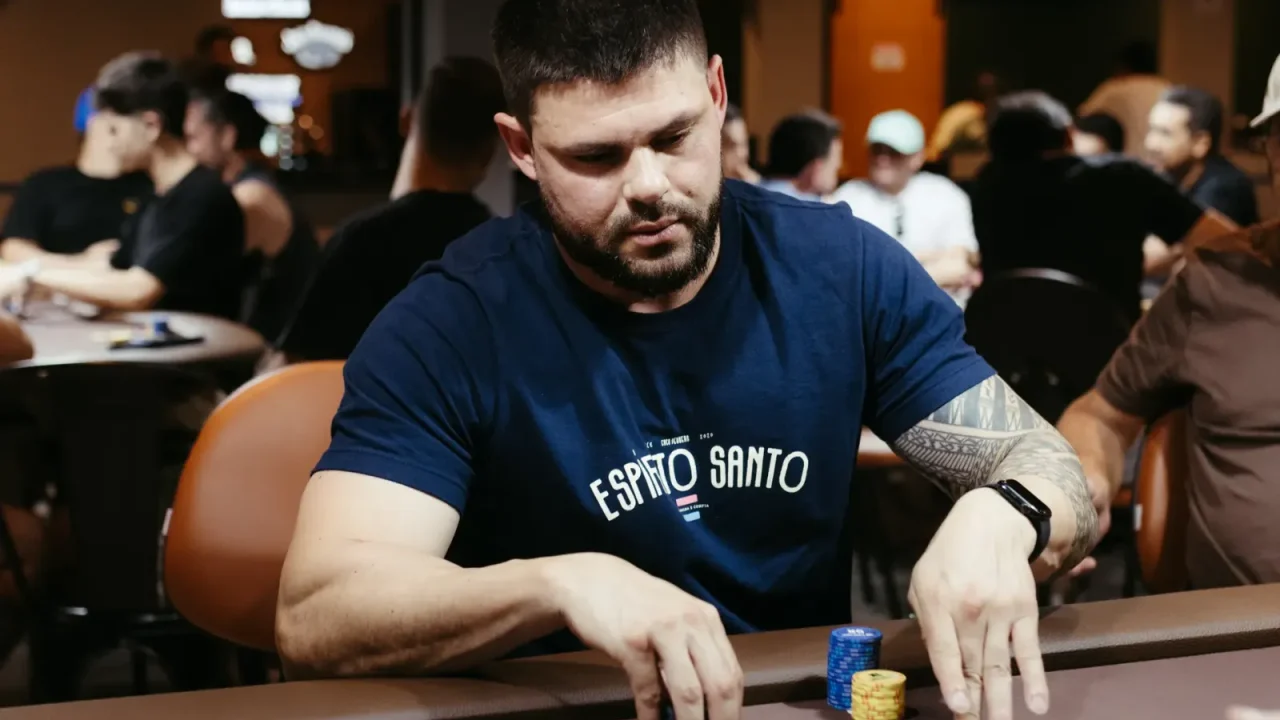
Deep WSOP fields are a useful reminder that tournament poker is a high-variance environment: longer sessions, more waiting, and more emotional swings can all test bankroll discipline and decision quality. The practical lesson is not that players should expect a better outcome if they “stay tough,” but that they should plan limits, breaks, and stop points before the session starts.
Context
Responsible-gambling guidance emphasizes setting limits, staying aware of how play affects you, and using support tools when gambling stops feeling controlled. That fits tournament poker especially well, because long events can make it easier to drift from a plan when fatigue or frustration builds.
For readers who also play video poker, the transferable lesson is simple: a session is not just a sequence of hands. It is a decision environment, and decision quality tends to get worse when a player is tired, emotional, or trying to recover losses.
What changed today
- The main takeaway is the framing: treat deep-field tournament pressure as a cue to tighten discipline, not as a reason to chase results.
- The actionable response is to pre-set limits for time, spend, and mental reset points.
- The interpretation here is educational, not a promise of improved outcomes.
Step-by-step guide
- Separate facts from interpretation. Start with verified event information if you are covering a specific WSOP event, then label any strategy takeaways as analysis.
- Plan for variance before you play. Deep fields usually mean a longer path to anything meaningful, so bankroll and time planning should reflect that reality.
- Watch for tilt triggers. Fatigue, bad beats, and long stretches without progress can all push players toward poor decisions.
- Use a stop rule. Decide in advance when to end a session, take a break, or step away for the day.
- Review after the session. Hand review is more useful once emotions have cooled.
Table
| Pressure point | Why it matters | Practical response |
|---|---|---|
| Larger field, longer run | More variance and more waiting can strain patience | Set realistic expectations before entering |
| Fatigue over time | Decision quality can slip late in a session | Schedule breaks and reset routines |
| Emotional swings | Frustration can lead to tilt | Use a pre-set stop rule |
| Session creep | A bad run can tempt players to extend play | Keep buy-ins and time limits fixed |
Checklist
- Set a budget and time cap before the session begins.
- Decide in advance what ends the session: fatigue, frustration, or a fixed time limit.
- Take breaks on schedule instead of waiting until you feel overwhelmed.
- Avoid increasing risk just because the session is going badly.
- Review hands only after you are calm enough to do it honestly.
Short answer
If a deep WSOP field teaches anything useful, it is that discipline should be built in advance. The strongest edge for most players is not emotional resistance in the moment; it is a clear plan that makes bad-session decisions less likely.
Sources
- GambleAware, safer gambling information: https://www.gambleaware.org/ <!– sources: 1 –>
- UK Gambling Commission, safer gambling: https://www.gamblingcommission.gov.uk/public-and-players <!– sources: 2 –>
- Responsible gambling overview: https://en.wikipedia.org/wiki/Responsible_gambling <!– sources: 3 –>
Related stories

MLB Star Ronald Acuna Jr. Signs Prediction Market Deal, Raising Questions for Video Poker Operators
Atlanta Braves' Ronald Acuna Jr. becomes the first MLB player to endorse prediction market Kalshi. The deal highlights a growing regulatory gray…
Read more
Meta Partners With Paf to Fight Unlicensed Gambling Ads, Starting in Switzerland
Paf will share licensing data with Meta to help remove ads from unlicensed gambling operators. The pilot begins in Switzerland and could…
Read more
Nobel Literature Betting Odds Draw Interest From Video Poker Players Who Follow Prop Markets
Betsson releases 2026 Nobel Prize in Literature odds with Can Xue as favorite. The prop-betting market offers a crossover angle for video…
Read more
Jonas Kronwitter Wins PGT PLO Series, Dominates Omaha Field in Las Vegas
Austrian poker pro Jonas Kronwitter took down the PGT PLO Series at the PokerGO studios in Las Vegas, winning two events and…
Read more