
Lebanon and Iran’s Verbal Sparring Escalates Amidst Broader Regional Tensions
A war of words between Beirut and Tehran highlights Lebanon's complex role in the ongoing regional conflict, with implications for a fragile ceasefire.
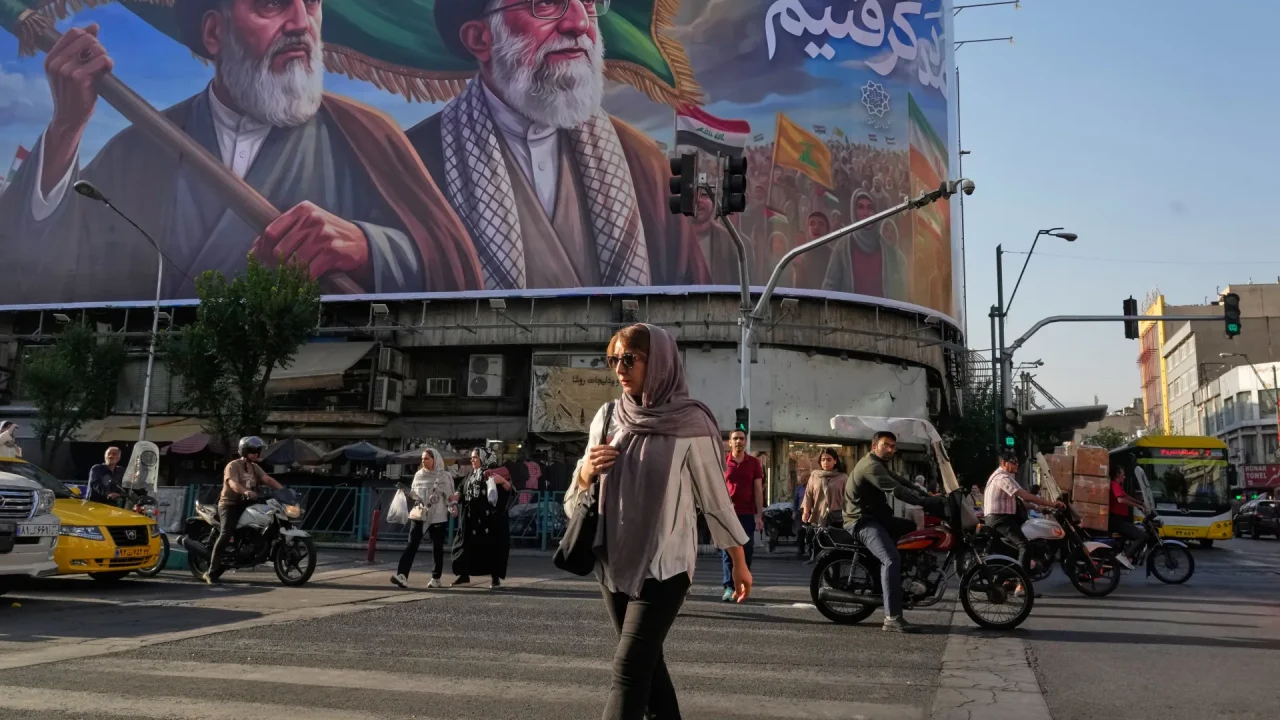
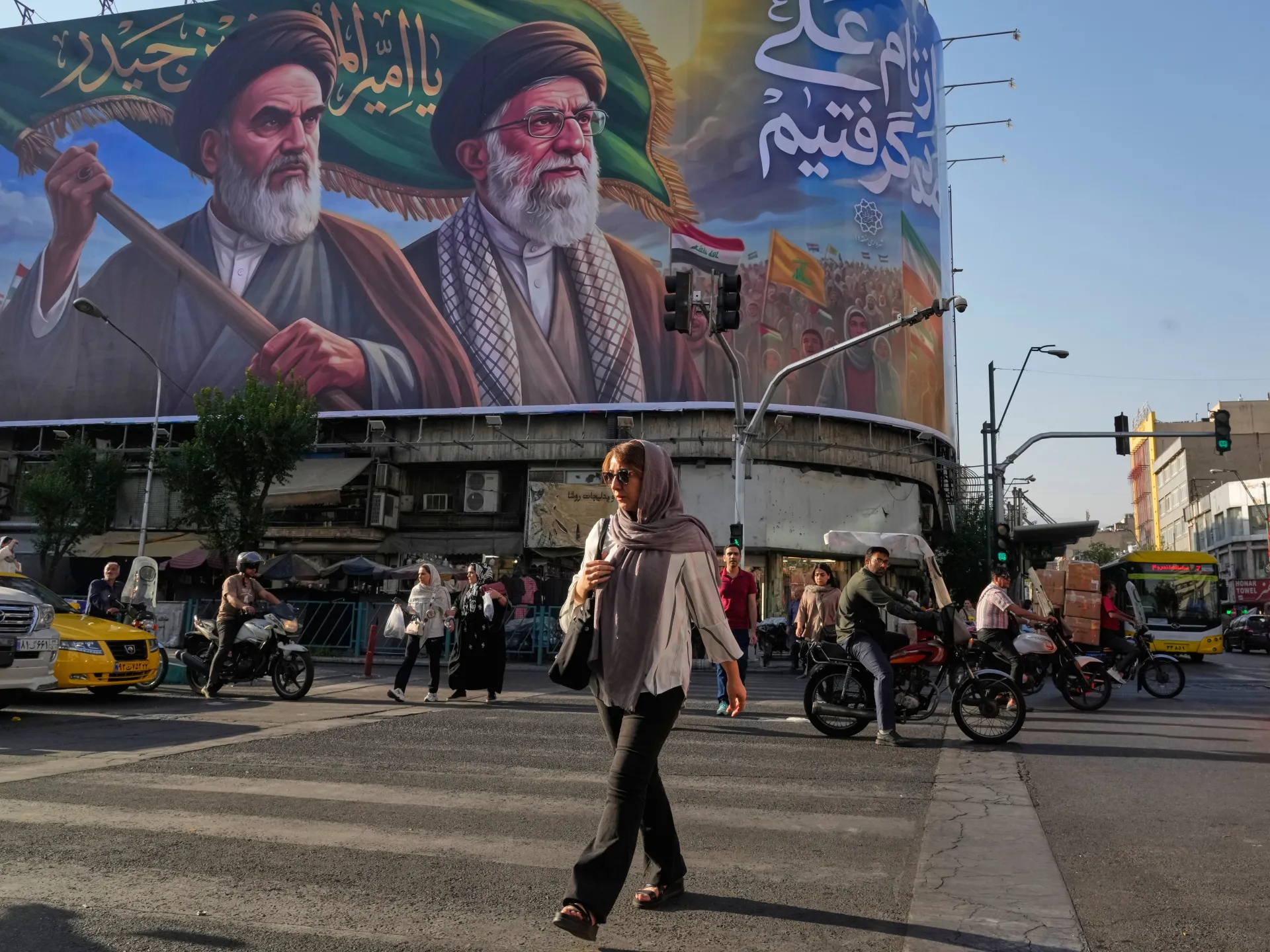
A recent escalation in the verbal exchange between Beirut and Tehran underscores Lebanon’s pivotal — and increasingly contentious — position within the broader regional conflict involving Iran and Israel. This diplomatic friction has emerged as a significant backdrop to the latest hostilities, casting a shadow over an existing, albeit fragile, ceasefire.
Tensions flared after an Israeli strike on an alleged Hezbollah site in southern Beirut, a move considered an unofficial red line by Tehran. Iran’s subsequent missile barrage targeting Israel, followed by Israeli retaliatory strikes on Iranian cities, threatened to unravel a two-month ceasefire between Iran and the United States. This volatile situation has been further complicated by Israel’s crossing of the Litani River, an action that prompted the Lebanese government to appeal for an end to foreign interference.
Regional Ceasefire Under Threat
The ongoing conflict raises significant concerns for regional stability and the delicate balance of power. For observers of international relations and geopolitical shifts, the increasing rhetoric and military actions signal a heightened risk of wider conflict. The situation directly impacts the stability that underpins various regional economies and security arrangements.
Lebanon’s Stance and Iranian Influence
The Lebanese government, seeking to assert its authority and control over weapons within its borders, has found itself at odds with Iran’s backing of Hezbollah. Lebanese President Joseph Aoun has emphasized negotiation and diplomacy as the sole path to resolution, directly criticizing Tehran for what he described as using Lebanon as a “bargaining chip” in its negotiations with the US. He has called on Hezbollah to engage in direct talks, a sentiment that Beirut is actively pursuing through diplomatic channels with Israeli and Lebanese officials in Washington, D.C.
Iran, however, has rejected this characterization. Iranian Foreign Minister Abbas Araghchi countered President Aoun’s remarks, suggesting that if Lebanon were a bargaining chip, a deal would have been reached much earlier. He urged Lebanon to focus on its “real foe,” implicitly referring to Israel. This exchange highlights a deep division in approach, with Hezbollah reportedly favoring a greater Iranian role in mediated talks rather than direct dialogue with Israel.
The Role of Red Lines
The targeting of Beirut’s southern suburbs, known as Dahiyeh, represents a significant escalation. Analysts noted that while Iran had shown some tolerance for Israeli actions in southern Lebanon as part of a complex ceasefire, strikes on Dahiyeh could provoke a more forceful response. The current stalemate, according to experts, is unlikely to persist indefinitely, with the region potentially facing either renewed conflict or a genuine peace settlement.
Iran’s strategic calculus appears to link any long-term peace agreement with the US to the cessation of Israel’s actions in Lebanon. Hardliners within Iran have voiced frustration over the government’s perceived inaction in the face of Israeli advances, advocating for a more assertive stance. Some analysts suggest that Iran may need to demonstrate that negotiations are not its sole priority, potentially through actions rather than just statements.
Geopolitical Entanglement
The conflict in Lebanon is increasingly viewed as intrinsically linked to broader geopolitical struggles. US military actions against Iranian assets and Iranian drone and missile strikes on US bases in the Persian Gulf indicate a widening theater of confrontation. Analysts posit that Israel’s actions in Lebanon are coordinated with US pressure, aiming to force Iran’s capitulation. The strategic significance of this entanglement is substantial, as the “file of Hezbollah and Lebanon” cannot be separated from that of Iran due to their shared ideological and geopolitical links.
Looking ahead, some lawmakers express skepticism about the current calm, suggesting it may be a temporary reprieve, possibly timed around major international events like the World Cup. Concerns are raised about a potential intensification of conflict post-event, with dire warnings of Lebanon becoming a “second Gaza.” This perspective underscores a call for proactive deterrence, advocating for strikes even in anticipation of enemy action, rather than merely reacting to aggression.
The unfolding situation in Lebanon and its connection to Iran’s regional policy and the broader Israeli-Palestinian conflict remain critical developments. The interplay of diplomatic efforts, military actions, and political rhetoric will continue to shape the stability and future of the Middle East.
Datos clave
| Aspect | Detail |
|—|—|
| Key Players | Lebanon, Iran, Israel, Hezbollah, United States |
| Primary Concern | Regional stability and escalation of conflict |
| Diplomatic Efforts | Direct talks between Lebanese and Israeli officials, mediated talks involving Iran |
| Escalation Triggers | Israeli strikes on Hezbollah sites, targeting of Beirut suburbs |
The heightened tensions and verbal exchanges between Lebanon and Iran, set against the backdrop of the ongoing conflict with Israel, underscore the intricate geopolitical landscape of the Middle East. For followers of regional affairs and international relations, these developments highlight the fragility of existing ceasefires and the potential for wider conflict. The situation necessitates careful monitoring as diplomatic efforts and military posturing continue to evolve, with significant implications for regional security and stability.
Fuente: https://www.aljazeera.com/features/2026/6/8/how-lebanon-and-irans-war-of-words-became-backdrop-for-latest-israel-war?traffic_source=rss
Datos clave
| Punto | Detalle |
|---|---|
| Fuente | aljazeera.com |
| Fecha | 2026-06-08T07:26:39+00:00 |
| Tema | How Lebanon and Iran’s war of words became backdrop for latest Israel war |
Fuente
aljazeera.com Publicacion original: 2026-06-08T07:26:39+00:00
Related stories

Carrot Top Hospitalized After Reported Suicide Attempt, Las Vegas Shows Canceled
The Luxor headliner was rushed to a Las Vegas hospital on Sept. 18 after what TMZ reported as a suicide attempt. His…
Read more
Jonas Hareide Leads NPS Pixbet Fortaleza High Roller Final Table With Half the Chips in Play
Swedish player Jonas Hareide enters the NPS Pixbet Fortaleza High Roller final table with a commanding chip lead, holding nearly half the…
Read more
Ramon Pessoa Wins NPS Pixbet Fortaleza On Fire Title After Last-Minute Trip
The two-time Northeast champion and PixPoker ambassador drove from Ubajara to Fortaleza on a whim, defeated a field of 165 entries, and…
Read more
UK Crypto Rules Set Application Date, But Impact on Video Poker Payments Remains Unclear
The FCA will open applications for crypto asset authorization on September 30, 2026, with the new regime taking effect in October 2027.…
Read more