
WSOP 2026 final table: what recreational players can learn from the late-stage lines
Recreational tournament players usually gain more from understanding pressure, stack depth, and discipline than from copying headline-grabbing final-table bluffs. This guide explains the practical lessons to take from any late-stage WSOP-style spot, while keeping the difference between entertainment
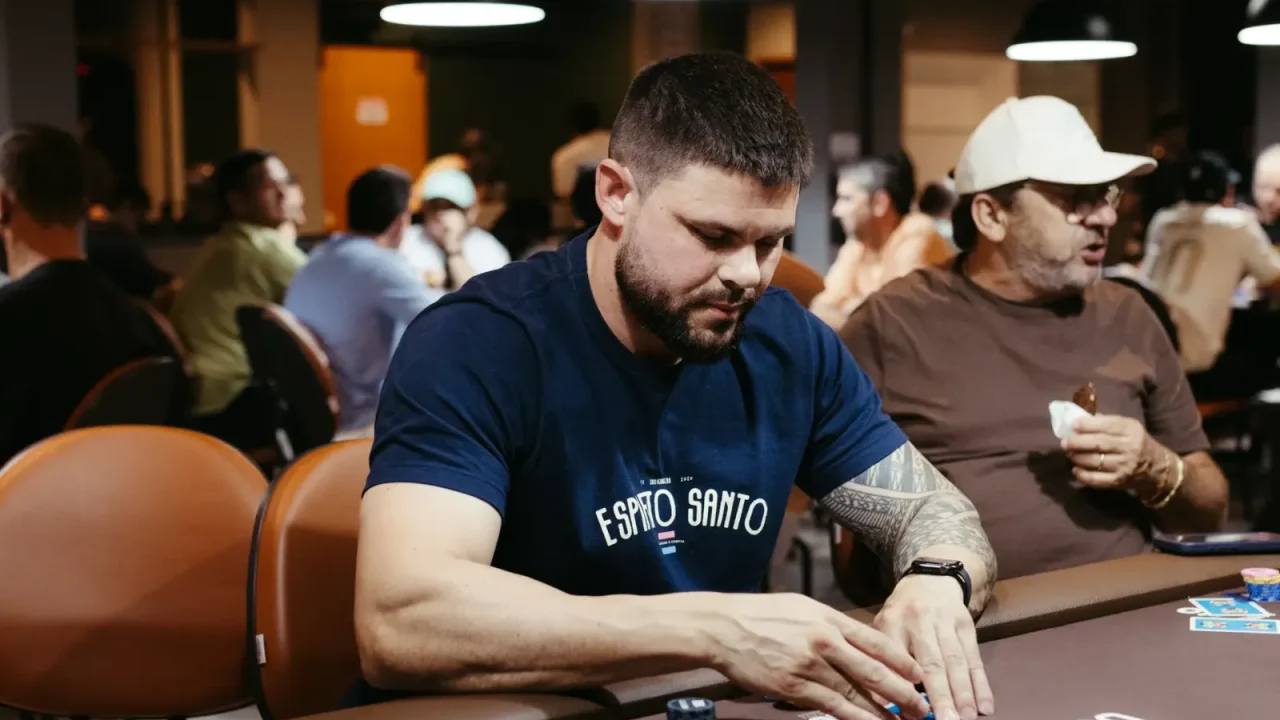
Short answer
The main lesson recreational players should take from late-stage tournament play is not to copy the flashiest line they see. A better takeaway is to focus on three pressure points that become more important near a final table: effective stack depth, position, and the cost of busting before the next pay jump. In practical terms, that usually means choosing lower-risk spots more carefully, avoiding outcome-based thinking, and remembering that a dramatic televised hand is not automatically a standard play for a local buy-in event.
Because the verified source pack does not include official WSOP event reporting, this article treats the topic as an evergreen strategy explainer rather than a hand-by-hand recap of a specific 2026 final table. That is the most reliable way to stay factual while still giving readers something useful.
Context
Late-stage tournament poker creates a different kind of pressure from early-level play. Players are not only competing for chips; they are also making decisions under payout pressure and emotional strain. Safer-gambling guidance from GambleAware and the UK Gambling Commission both emphasize staying in control, avoiding impulsive decisions, and treating gambling as an activity that should be managed rather than chased. That mindset fits tournament poker well, especially when a big ladder or a short stack nearby can distort normal instincts.
For recreational players, that means the most useful lessons from a final table are usually simple ones. Ask what stacks were in play, who had position, and how costly a mistake would have been. Those questions are often more valuable than debating whether a single hero call or bluff looked fearless on screen.
Step-by-step guide
Step 1: Start with effective stack depth
Before judging any late-stage line, identify the effective stack rather than the biggest stack at the table. The effective stack is the amount that can actually be won or lost between the players in the hand. Recreational players often misread aggressive plays because they remember the cards or the result, but not how shallow or deep the decision really was.
Step 2: Weigh the cost of busting
At a final table, the cost of elimination can matter more than the raw chip value of a gamble. Even without exact payout math in front of you, a useful practical rule is that some close spots become folds when busting would end your tournament before a meaningful pay jump. That does not mean folding everything; it means understanding that survival sometimes has extra value late in an event.
Step 3: Respect position more than drama
Late position becomes even more powerful when players behind you are under pressure. If they are shorter stacked, waiting for better spots, or trying not to bust, opens from the button or cutoff can work differently than they would in a relaxed early-stage pot. Recreational players should still avoid forcing steals too often, but they can learn that action order matters as much as hand strength in many late-stage spots.
Step 4: Separate decision quality from the outcome
A hand that wins at showdown can still be poorly chosen, and a disciplined fold can still be correct even if the folded hand would have improved. Responsible gambling guidance consistently warns against chasing and emotionally driven decisions; in poker terms, that supports a process-first approach. Judge the line by the pressure, stack depth, and alternatives available at the time, not by whether the river card happened to cooperate.
Step 5: Translate the principle to your own games
Most recreational players do not need to copy exact final-table actions from elite events. They need to adapt the principle to their own player pool and stakes. A useful translation is this: play more carefully when a mistake is costly, attack more selectively when position favors you, and avoid turning entertainment highlights into automatic strategy rules.
Comparison table
| Late-stage spot | Verified context | Why the line can change late | Practical lesson for recreational players |
|---|---|---|---|
| Short stack facing an all-in decision | Tournament pressure is higher near elimination points | Busting can carry more weight than in early stages | Do not call off just because a hand looks decent in chip-only terms |
| Medium stack against a larger stack | Bigger stacks can pressure players who want to survive pay jumps | Risking your whole tournament against the table leader can be costly | Choose your resistance spots carefully rather than “taking a stand” automatically |
| Button or cutoff open with shorter stacks behind | Position becomes more valuable when players behind are constrained | Folders behind may defend less often under pressure | Steal spots can improve, but only when stack sizes and table dynamics support it |
| Big blind defense late in a tournament | You close the action, but busting still has a cost | A defend that is fine early may be too loose late | Defend less on autopilot when elimination pressure is high |
Checklist: what to check before copying a final-table line
- Effective stack: How many blinds could actually go in between the players involved?
- Bust-out cost: Would losing the hand end your tournament or cripple you?
- Position: Was the player acting from early position, late position, or the blinds?
- Table pressure: Were shorter stacks still waiting to bust, making survival more valuable?
- Your own game: Would the same line make sense in your buy-in level and player pool?
- Your mindset: Are you choosing the play calmly, or reacting to a recent bad beat or urge to recover losses?
What recreational players should do next
- Review your last few tournament bust-outs and note whether stack depth or position mattered more than the cards themselves.
- Build a simple late-stage routine: count effective blinds, identify shorter stacks, then decide whether survival pressure changes the spot.
- If you feel tilted or tempted to force action, step back. Safer-gambling guidance recommends staying in control and avoiding decisions driven by emotion or loss-chasing.
Bottom line
The durable lesson from any high-profile final table is usually less glamorous than the clip that gets shared most often. Recreational players improve faster by learning when pressure changes correct aggression, when position creates profitable openings, and when not busting is worth more than a marginal gamble. That approach is also more responsible: it keeps the focus on disciplined choices instead of adrenaline, highlights, or the illusion that one bold move defines great tournament poker.
Sources
Related stories
MLB Star Ronald Acuna Jr. Signs Prediction Market Deal, Raising Questions for Video Poker Operators
Atlanta Braves' Ronald Acuna Jr. becomes the first MLB player to endorse prediction market Kalshi. The deal highlights a growing regulatory gray…
Read more
Meta Partners With Paf to Fight Unlicensed Gambling Ads, Starting in Switzerland
Paf will share licensing data with Meta to help remove ads from unlicensed gambling operators. The pilot begins in Switzerland and could…
Read more
Nobel Literature Betting Odds Draw Interest From Video Poker Players Who Follow Prop Markets
Betsson releases 2026 Nobel Prize in Literature odds with Can Xue as favorite. The prop-betting market offers a crossover angle for video…
Read more
Jonas Kronwitter Wins PGT PLO Series, Dominates Omaha Field in Las Vegas
Austrian poker pro Jonas Kronwitter took down the PGT PLO Series at the PokerGO studios in Las Vegas, winning two events and…
Read more