
Tournament Pressure and Safer Video Poker Bankroll Habits
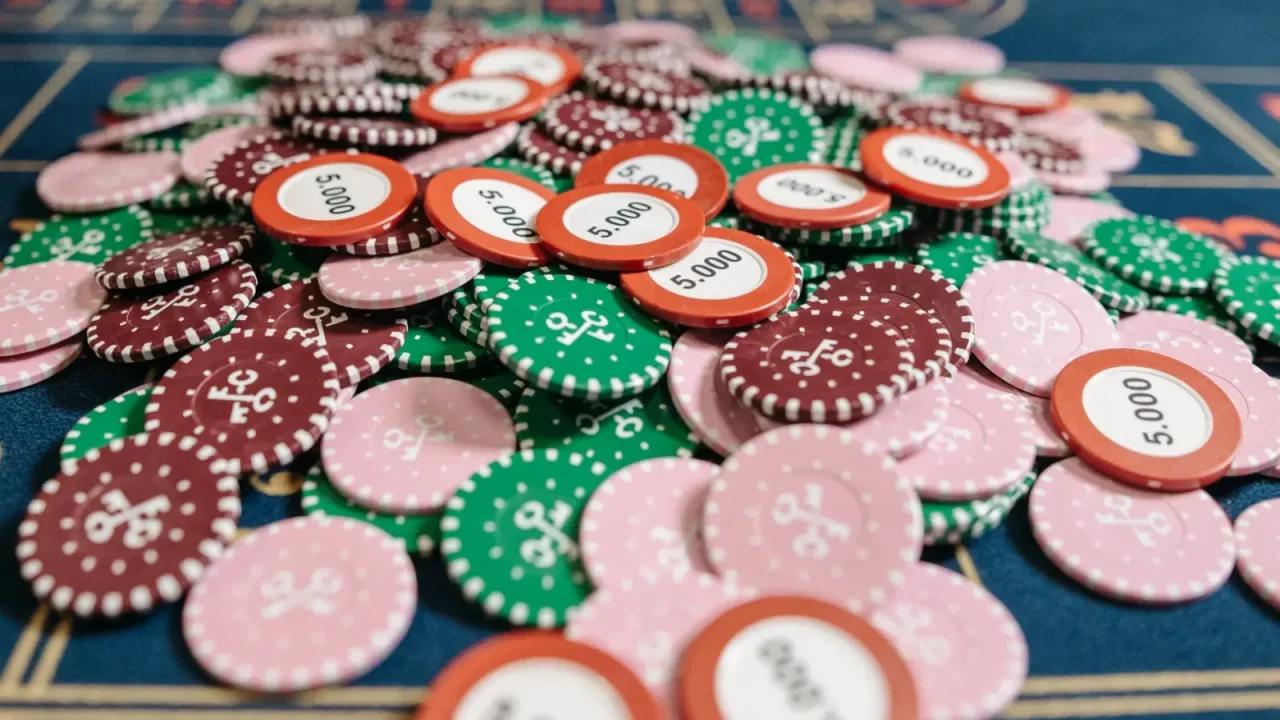
Large tournament fields highlight a simple risk for everyday gamblers: long sessions can strain attention, spending discipline, and judgment. For video poker players, the practical lesson is to set limits before play starts and avoid changing the plan mid-session.
Tournament Pressure and Safer Video Poker Bankroll Habits
Summary: Big poker tournaments make pressure easy to see: long hours, repeated money decisions, and emotional swings. Video poker is a different game, but the same responsible-play lesson still applies for many everyday players: decide your limits early, take breaks seriously, and do not treat a tiring session as a reason to spend more.
What happened
This article does not rely on current WSOP field sizes, dates, or results, because no verified WSOP primary sources were available in the checked source pack. Instead, it uses the visible pressure of large tournament poker as a general example of how long gambling sessions can test discipline.
That matters because tournament poker and video poker are different in how they are played, but both can involve repeated decisions over time. In tournament poker, players deal with opponents, stack pressure, and changing payouts. In video poker, players face fast repetition, fixed pay tables, and the temptation to keep playing after losses or near-misses. The comparison here is behavioral, not strategic.
Why it matters for video poker players
Responsible-gambling guidance from GambleAware and the UK Gambling Commission centers on staying in control, setting limits, and avoiding loss-chasing. Those points are directly useful for video poker players because a session can drift away from its original plan even when the game itself is straightforward.
A study in the *Journal of Gambling Issues* reported differences between experienced and inexperienced poker players in estimation bias and decision bias. That does not prove that every long session harms judgment, and it does not specifically study video poker. Still, it supports a careful point: gambling decisions can be affected by bias, which is one reason preset limits and breaks are useful safeguards.
What is confirmed
Confirmed by public sources
What the sources support clearly is the safer-play framework:
- set spending limits in advance
- keep gambling under control
- avoid chasing losses
- use gambling as entertainment, not as a way to solve money problems
What remains analysis
The article's bridge from tournament pressure to everyday video poker is interpretation. It is fair to say that long, repetitive gambling sessions can create conditions where discipline is harder to maintain. It would not be fair, based on these sources alone, to claim a universal rule that fatigue always causes worse video poker decisions or losses.
Comparison table: tournament pressure vs. video poker risks
| Pressure point | Tournament poker example | Possible video poker version | Lower-risk response |
|---|---|---|---|
| Session length | Hours of continuous play | Staying longer than planned | Set an end time before starting |
| Bankroll pressure | Rebuy temptation or added spending pressure | Reloading after losses | Use a fixed session budget |
| Emotional swings | Bad beats or missed cashes | Chasing a royal or trying to get even | Stop when emotions drive the decision |
| Repetitive decisions | Many choices across a long day | Fast hands on autoplay-like rhythm | Take regular breaks and refocus |
What readers should do next
A practical session checklist
- Choose a session budget before the first hand.
- Set a time limit, not just a money limit.
- Pick denomination and game type in advance.
- Schedule at least one break during longer sessions.
- Leave if you feel the urge to chase losses.
- Treat any change in stakes as a new decision, not an emotional reaction.
A useful habit is to separate results from behavior. Short-term losses can happen even with disciplined play. But changing denomination after losses, ignoring your stop point, or continuing when frustrated are behavior changes you can control. That is the most practical lesson from high-pressure poker settings: protect your process before you try to judge your results.
What may change
If this article is later updated to mention a specific WSOP summer, named events, field sizes, or official results, those details should be rechecked against current official event pages and reliable reporting before publication.
Date-checked note: The source pack reviewed for this draft did not include verified WSOP primary materials, so the article has been kept evergreen rather than event-specific.
Sources
Related stories
Gaming Attorneys Say CFTC Defied Court Orders — What It Means for Regulated US Gaming
Two gaming attorneys speaking on an Indian Gaming Association webcast criticized the Commodity Futures Trading Commission for directing Kalshi to ignore federal…
Read more
MLBPA Signals Openness to Limiting Player Sportsbook Marketing as Prop Bet Debate Continues
The MLB Players Association told Congress it is open to banning players from personalized sportsbook VIP marketing, while accusing MLB of resisting…
Read more
Kalshi Signs Five MLB Teams in Prediction Market Expansion
Kalshi has agreed multi-year marketing deals with the Atlanta Braves, Boston Red Sox, Los Angeles Dodgers, San Francisco Giants, and St. Louis…
Read more
Caesars Olympus Tier Sets $1.5M Spending Threshold for Video Poker Players
Caesars Entertainment has announced a new invitation-only loyalty tier called Olympus, requiring $1.5 million in theoretical spend to qualify. The program, launching…
Read more