
How recreational poker players can review big tournament hands more carefully
This strategy-focused alternative drops unsupported WSOP 2026 result claims and shows recreational players how to review headline tournament hands without overreacting to outcomes or chasing action.
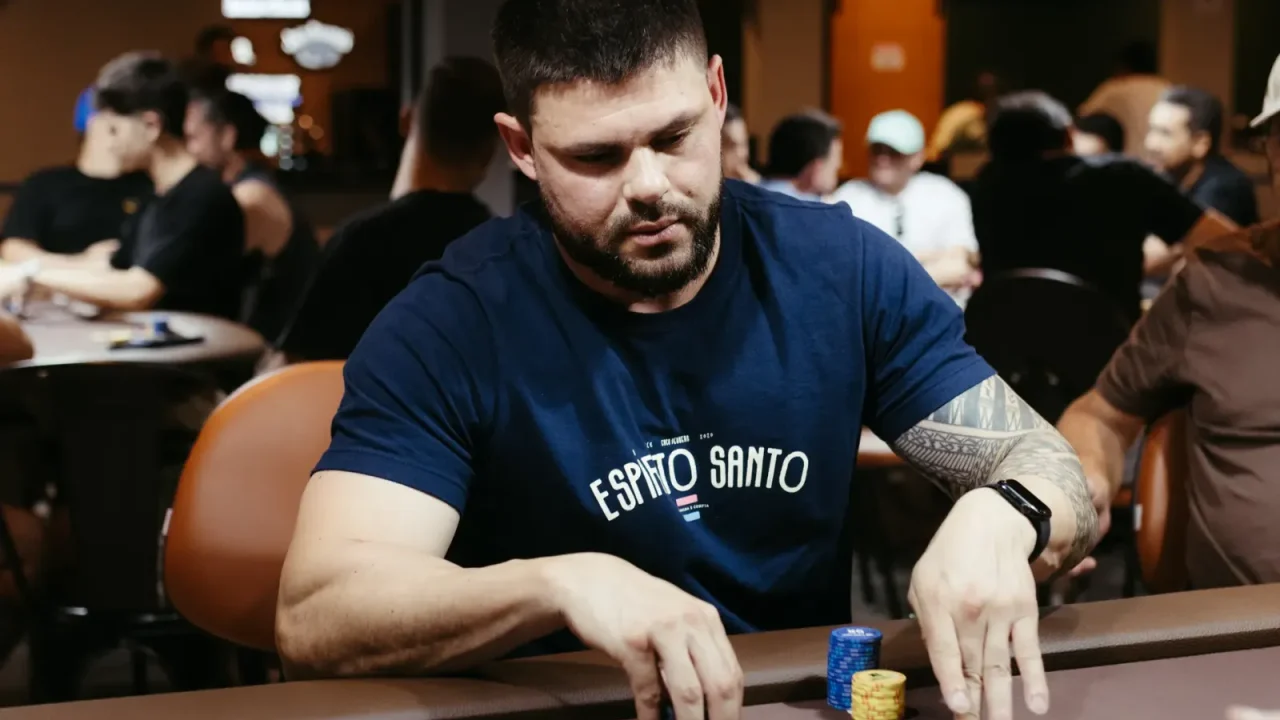
How recreational poker players can review big tournament hands more carefully
Summary box
This article is a strategy explainer, not a results recap. It focuses on a practical question recreational players can use right away: how to learn from high-profile tournament hands without assuming that a dramatic outcome proves the decision was correct. Responsible-gambling guidance also supports a slower, more controlled review process instead of impulsive reactions or chase behavior.
Date-checked note: Checked against the current source set for this assignment. No publishable primary WSOP 2026 event results or hand-by-hand reporting were available here, so this version stays with source-supported general guidance only.
What changed
The article has been reframed away from unsupported event-specific recap language and into a general tournament-learning piece. That keeps the public copy aligned with what can be supported and makes the advice more useful for readers reviewing any notable tournament hand they see this week.
A better way to learn from tournament hands
The simplest mistake in poker study is judging a hand only by its result. A bluff that got through is not automatically good, and a disciplined fold that would have won is not automatically bad. For recreational players, the more reliable review questions are about context: stack depth, position, risk, and whether the decision followed a clear plan.
That slower approach also fits mainstream safer-gambling advice, which emphasizes staying in control, setting limits, and avoiding impulsive behavior.
Quick review table for headline hands
| Review point | What to ask first | Why it matters in tournaments |
|---|---|---|
| Stack depth | How many big blinds were effectively in play? | Short, medium, and deep stacks create very different options |
| Position | Who had position before and after the flop? | Marginal hands are usually harder to realize out of position |
| Tournament risk | Was the player risking a large share of their stack? | Survival pressure can matter as much as raw chip gain |
| Aggression | Was the raise or shove applying real pressure? | Aggression is strongest when it has a clear purpose |
| Emotional control | Did the line look planned or reactive? | Tilt and frustration can turn close spots into poor ones |
The strategic mistakes recreational players can still learn from
Overvaluing one-pair hands
Many costly tournament errors begin when players treat top pair or an overpair as if it must be strong enough to play for a huge pot. A more careful review asks whether the hand was strong relative to the likely range and the effective stack size, not just whether it looked strong in isolation.
That does not mean one-pair hands should always fold. It means recreational players should be cautious about turning a decent holding into a stack-committing decision without a clear reason.
Calling too wide in high-risk spots
A hand can be too good to fold in a cash-game mindset and still be a dangerous tournament call when survival matters more. Recreational players often improve by asking not only, "Could I be ahead?" but also, "What happens to my tournament if I am wrong?"
This is especially useful when reviewing all-in calls. The cost of a mistake is not just lost chips; it can be the end of the event.
Taking on too many marginal spots out of position
Position remains one of the easiest tournament edges to underestimate. Hands that seem playable before the flop can become awkward and expensive after the flop when the player must act first. If a review keeps finding tough turn and river decisions from weak seats, the leak may have started much earlier.
Mistaking constant aggression for strong play
Highlight clips can make every shove, three-bet, or bluff look impressive. In practice, good aggression usually has a reason behind it, such as fold equity, stack leverage, or pressure on capped ranges. When recreational players copy aggression without that context, they often copy only the risk.
Letting emotion drive the next decision
One of the most practical study questions is whether a line came from a plan or from frustration. Safer-gambling guidance consistently favors controlled behavior and limit-setting, which also makes sense at the poker table. If a player is trying to win chips back immediately after a setback, the review should flag that decision for extra scrutiny.
Practical checklist for your own hand review this week
- Mark every all-in call you made and note the effective stack depth.
- Circle hands where you committed heavily with one pair.
- Track how often your difficult postflop decisions started from out-of-position entries.
- Write down the purpose of each big aggressive action: value, fold equity, or pressure.
- Stop the review session if it shifts from analysis into frustration.
- Set limits for future play before opening the next table or entering the next event.
What readers should do next
If you want to improve strategically
Use this article as a review framework, not as a shortcut to universal rules. The goal is not to become automatically tighter or looser. The goal is to separate decision quality from the excitement of the outcome.
If you are looking for event-specific results
Wait for official event pages, organizer updates, or clearly attributed reporting before treating any social-media recap as reliable. That is especially important for exact placements, dates, payouts, and reconstructed hand histories, which can change or be misstated in fast-moving coverage.
Old article audit
No prior site URL or earlier article version was available for audit in the materials supplied with this assignment, so there is no confirmed legacy page to refresh here. The most reusable sections for any later update are the review table, the hand-review checklist, and the explanation of outcome bias versus decision quality.
Sections to update when stronger sourcing is available
If primary tournament sources become available later, update these sections first:
- Summary box.
- Any event-specific framing in the introduction.
- The comparison table, if exact schedule or event facts can be verified.
- The reader-next-steps section, if official results pages or reputable recaps can be linked.
Sources
Related stories
MLB Star Ronald Acuna Jr. Signs Prediction Market Deal, Raising Questions for Video Poker Operators
Atlanta Braves' Ronald Acuna Jr. becomes the first MLB player to endorse prediction market Kalshi. The deal highlights a growing regulatory gray…
Read more
Meta Partners With Paf to Fight Unlicensed Gambling Ads, Starting in Switzerland
Paf will share licensing data with Meta to help remove ads from unlicensed gambling operators. The pilot begins in Switzerland and could…
Read more
Nobel Literature Betting Odds Draw Interest From Video Poker Players Who Follow Prop Markets
Betsson releases 2026 Nobel Prize in Literature odds with Can Xue as favorite. The prop-betting market offers a crossover angle for video…
Read more
Jonas Kronwitter Wins PGT PLO Series, Dominates Omaha Field in Las Vegas
Austrian poker pro Jonas Kronwitter took down the PGT PLO Series at the PokerGO studios in Las Vegas, winning two events and…
Read more