What WSOP Tournament Pressure Gets Wrong and Right About Video Poker Strategy
Tournament poker pressure makes for compelling viewing, but it does not automatically translate into useful video poker strategy. The clearest crossover lessons are about discipline, limits, and emotional control.
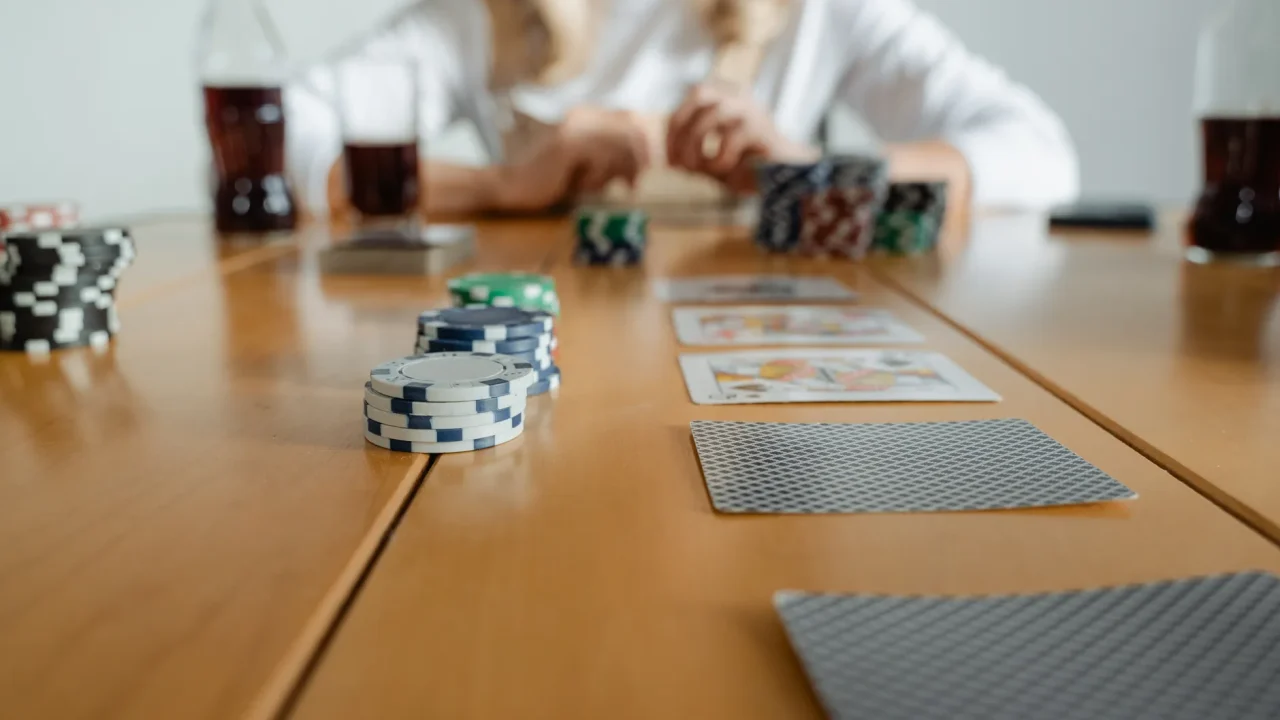
Summary: Tournament poker pressure can be real and influential, but standard video poker is still a machine game rather than an opponent-driven contest. That means the safest transferable lessons are about staying in control, setting limits, and avoiding impulsive decisions.
What happened
WSOP-style tournament pressure is a familiar part of poker discussion because tournament coverage often centers on stress, survival, momentum, and high-stakes decision-making. That framing is compelling, but it can also encourage readers to treat drama as if it were strategy in every gambling format.
For video poker, that comparison needs caution. The current verified sources support a narrower, public-interest conclusion: pressure can affect judgment, and established safer-gambling guidance emphasizes planning, limits, and self-control rather than emotionally driven play.
Date-checked note: This article does not rely on a specific current WSOP event result, structure sheet, or official tournament ruling because those details are not verified in the available source set. The comparison here is conceptual, not event reporting.
Why the comparison can mislead
Tournament language is dramatic by design
Tournament poker stories often reward phrases like "apply pressure," "survive the spot," or "trust the read." Those ideas belong to a format where players react to each other and where psychology is part of the contest.
Standard video poker does not work that way. The available sources do not support turning tournament-style tension into a direct guide for machine-play choices. What they do support is a more careful message: pressure is something to manage, not something to romanticize.
Responsible play matters more than dramatic framing
GambleAware and the UK Gambling Commission both publish safer-gambling information that focuses on staying in control, using limits, and avoiding harmful behavior. That does not create a video poker strategy chart, but it does support a practical editorial point: stress and urgency are bad reasons to make gambling decisions.
What tournament pressure gets right
Stress can change behavior
The strongest transferable point is behavioral, not tactical. Pressure can make people rush, abandon plans, or keep playing when they should stop. In that limited sense, tournament pressure is relevant to video poker readers too.
Discipline carries across formats
If a player sets limits in advance, notices rising frustration, and refuses to chase losses, that is a useful crossover lesson. Public safer-gambling guidance consistently points toward budgeting, awareness, and stepping back when gambling stops feeling controlled.
What tournament pressure gets wrong for standard video poker
There is no opponent to pressure
In ordinary solo video poker, there is no table image to project, no rival to intimidate, and no bluff to sell. That makes a large share of tournament-poker language a poor fit for machine play.
Emotion is not a substitute for process
Tournament drama may describe how a player feels, but it does not by itself tell a video poker player what to do next. The verified sources support caution around emotional decision-making, not the idea that pressure improves gambling judgment.
What is confirmed
The confirmed public claims in the current source set are narrow but useful. GambleAware provides safer-gambling information focused on awareness, support, and staying in control. The UK Gambling Commission likewise offers public-facing guidance for players that centers on safer gambling and informed decision-making.
Those sources support responsible statements about limit-setting, emotional control, and avoiding reckless play under stress. They do not verify specific WSOP event facts, current tournament details, or technical video poker math claims.
Quick comparison: drama versus usable guidance
| Topic | Tournament-poker framing | Safer takeaway for video poker readers |
|---|---|---|
| Pressure | Often treated as central to the action | Important to recognize, but not to glorify |
| Opponents | A key part of the contest | Not a direct factor in standard solo machine play |
| Aggression | Frequently praised in commentary | Not a useful default frame for responsible machine play |
| Limits | Can be overshadowed by spectacle | A basic part of safer gambling |
| Decision-making | Tested under stress | Better when players stay calm and in control |
What readers should do next
Practical checklist
- Treat tournament pressure as psychology, not automatic strategy advice for video poker.
- Set time and spending limits before you start playing.
- Step away if stress, frustration, or loss-chasing starts to shape your decisions.
- Use official safer-gambling resources if play stops feeling manageable.
What may change
This piece would need revision if it were later tied to a named WSOP event, an official structure page, or a verified source on video poker tournament formats. It would also need stronger sourcing before making detailed claims about pay tables, expected return, or hold-and-draw strategy.
What is less likely to change is the broader public-interest point supported by the current sources: gambling decisions are safer when they are planned, controlled, and not driven by pressure or emotion.
Sources
Related stories

WPT Returns to Venetian Las Vegas for $2 Million Guaranteed Fall Championship
The World Poker Tour is heading back to the Venetian Resort Las Vegas for a $5,000 buy-in Fall Championship with a $2,000,000…
Read more
NetJets Opens Private Las Vegas Terminal, Offering High-End Access for Poker-High-Roller Travelers
NetJets opens a private terminal at Harry Reid International Airport on Oct. 26, catering to fractional-ownership clients, including high-stakes poker players who…
Read more
Poker Week Roundup: Seward Tops Negreanu, Lithuanian Wins in Jeju, GGPoker Bans Third-Party Tools
A busy week in poker sees Daniel Seward defeat Daniel Negreanu at the Poker Masters, two Lithuanian players cash big in Jeju,…
Read more
BSOP Millions 2026 Announces 13 Days of Live Coverage with Hole Cards on YouTube and Twitch
The Brazilian Series of Poker will broadcast 13 days of live poker from São Paulo, including three Super High Roller events and…
Read more