
Minnesota Bill to Ban Prediction Markets Awaits Governor’s Signature
Minnesota is poised to become the first U.S. state to explicitly ban prediction markets through legislation, following the passage of Senate File 4760 by both the House and Senate. The bill now heads to Governor Tim Walz for final consideration.
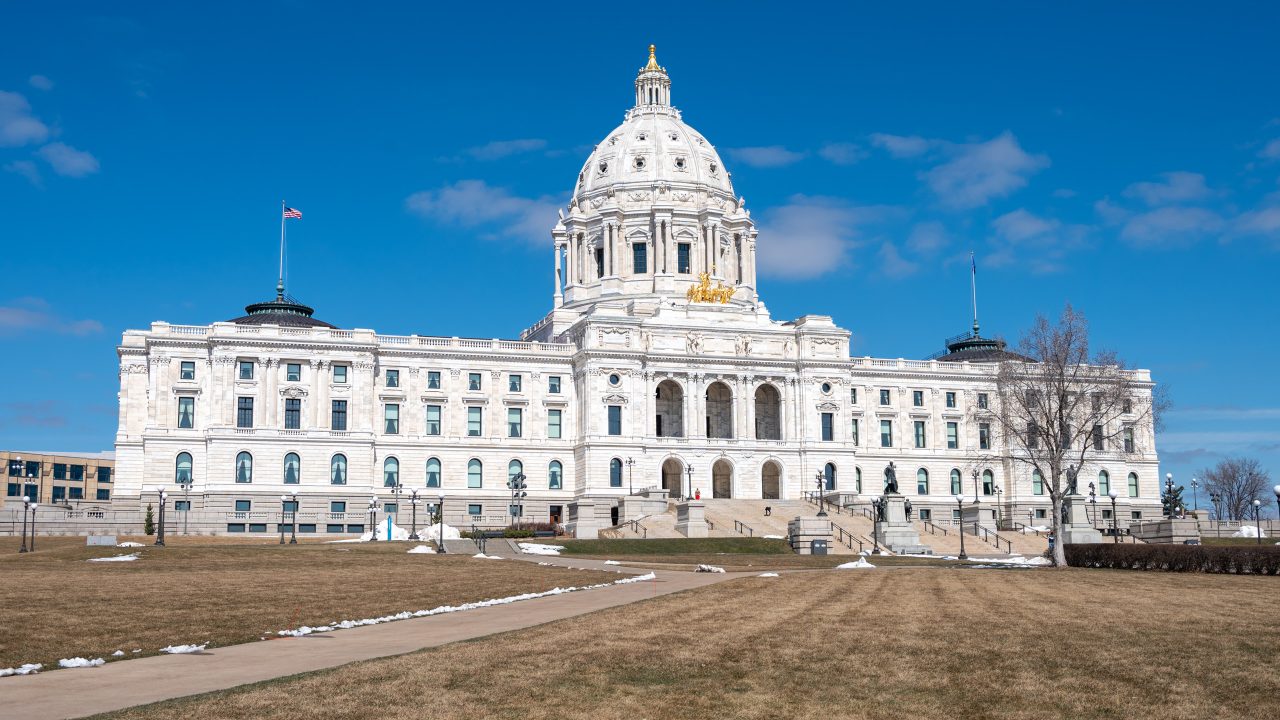
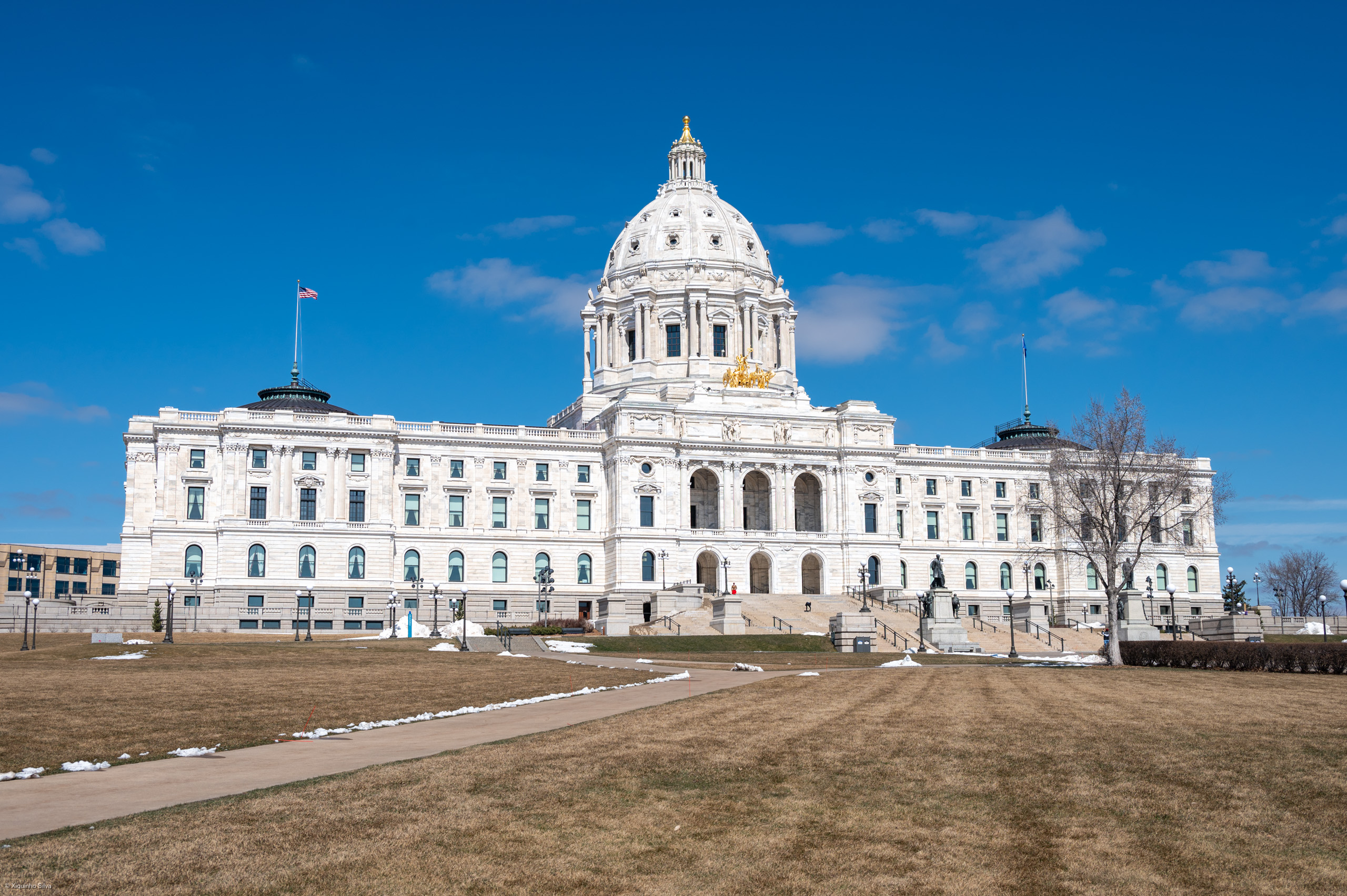
Minnesota is on the verge of becoming the first U.S. jurisdiction to explicitly outlaw prediction markets through state law. A bill, Senate File 4760 (SF 4760), which includes a ban on these markets, has successfully passed both the Minnesota House and Senate. The legislation now awaits the signature of Governor Tim Walz for final enactment.
The passage of SF 4760 marks a significant development in the landscape of gambling regulation within the United States. While various forms of gambling are regulated or prohibited across states, an explicit legislative ban on prediction markets is a novel approach.
Understanding Prediction Markets
Prediction markets allow participants to wager on the outcome of future events, such as political elections, economic indicators, or even entertainment awards. These markets operate by allowing individuals to buy and sell contracts whose value is tied to the probability of a specific event occurring. For example, a contract predicting a certain candidate will win an election might trade at 70 cents if there’s a 70% perceived chance of that outcome.
Key facts
| Aspect | Detail |
|---|---|
| State | Minnesota |
| Bill Number | SF 4760 |
| Status | Passed House & Senate, awaits Governor’s signature |
| Impact | Explicit ban on prediction markets |
Implications for the Gambling Landscape
The potential ban in Minnesota could set a precedent for other states considering their stance on prediction markets. While often framed differently than traditional sports betting or casino games, prediction markets share similarities in that they involve financial risk based on uncertain future events. Regulators and legislators often grapple with how to categorize and regulate such activities, especially when they involve outcomes beyond traditional sports or casino operations.
For video poker players and other casino game enthusiasts, this development might seem distant, as prediction markets are a distinct form of wagering. However, it underscores the ongoing and evolving regulatory environment for all forms of gambling and speculative activities. Changes in one area of gambling legislation can sometimes signal broader trends in how states approach consumer protection, responsible gaming, and the definition of what constitutes regulated wagering.
Legislative Process and Next Steps
The journey of SF 4760 through the Minnesota legislature involved a conference committee report, indicating that there were differences between the House and Senate versions of the bill that needed reconciliation. The successful advancement of this report means both chambers have agreed on the final text. The bill is now on Governor Walz’s desk. His signature would finalize the ban, making Minnesota the first state to implement such a specific prohibition.
Should Governor Walz sign the bill into law, it will be crucial to observe how the ban is implemented and enforced. It will also be interesting to see if this move inspires similar legislative efforts in other states, particularly as the debate around what constitutes fair and responsible wagering continues to evolve.
Impact on the Broader Gaming Industry
While not directly affecting video poker or traditional casino games, regulatory actions like Minnesota’s ban on prediction markets reflect a broader legislative scrutiny of various forms of speculative activity. This can influence how new gaming products are developed, introduced, and regulated across the country. The industry, including operators of video poker and other casino games, continuously monitors such legislative shifts as they can indicate future trends in responsible gaming policies, consumer protection measures, and the overall legal framework for gambling.
This development highlights the dynamic nature of gambling laws in the U.S., where states often take varied and sometimes pioneering approaches to new or emerging forms of wagering.
Fuente: SBC Americas, https://sbcamericas.com/2026/05/14/minnesota-prediction-market-ban-passes/
Fuente
SBC Americas Publicacion original: 2026-05-14T03:58:09+00:00
Related stories
Paraná Poker Tour Main Event Reaches Final Table, R$200,000 Top Prize Awaits
The Main Event of the Paraná Poker Tour (PPT) 2026 has narrowed down to its final table, with the champion set to…
Read more
Pedro Padre Secures Career-Best Score in GGPoker Bounty Hunters HR Main Event
Brazilian poker player Pedro Padre, known as "Ppriest," achieved his largest career prize, finishing as runner-up in the GGPoker US$525 Bounty Hunters…
Read more
Carlos Ribeiro and Renan Bruschi Advance in GGPoker GGMillion$ High Rollers
Brazilian poker stars Carlos Ribeiro and Renan Bruschi have secured their spots in Day 2 of the GGPoker GGMillion$ High Rollers tournament,…
Read more
Jesus Mejia Wins KSOP Circuit Amazônia High Roller Title
Venezuela's Jesus Mejia has claimed the High Roller title at the KSOP Circuit Amazônia, defeating Dennis Magaldi in a head-up battle and…
Read more