
India’s Urban Fire Safety Crisis: Residential Buildings Remain Deadliest
Recent fires in South Delhi and Bihar highlight a persistent national failure in urban fire safety, with residential buildings accounting for 60% of fire fatalities.
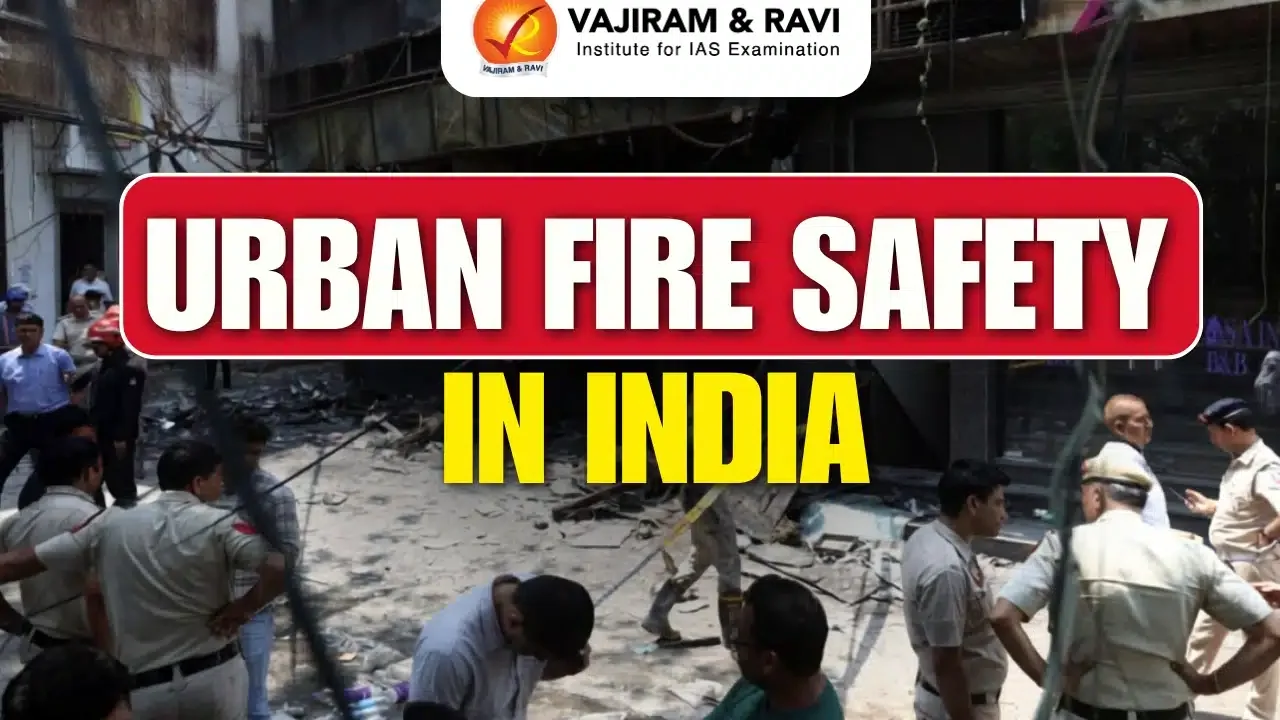
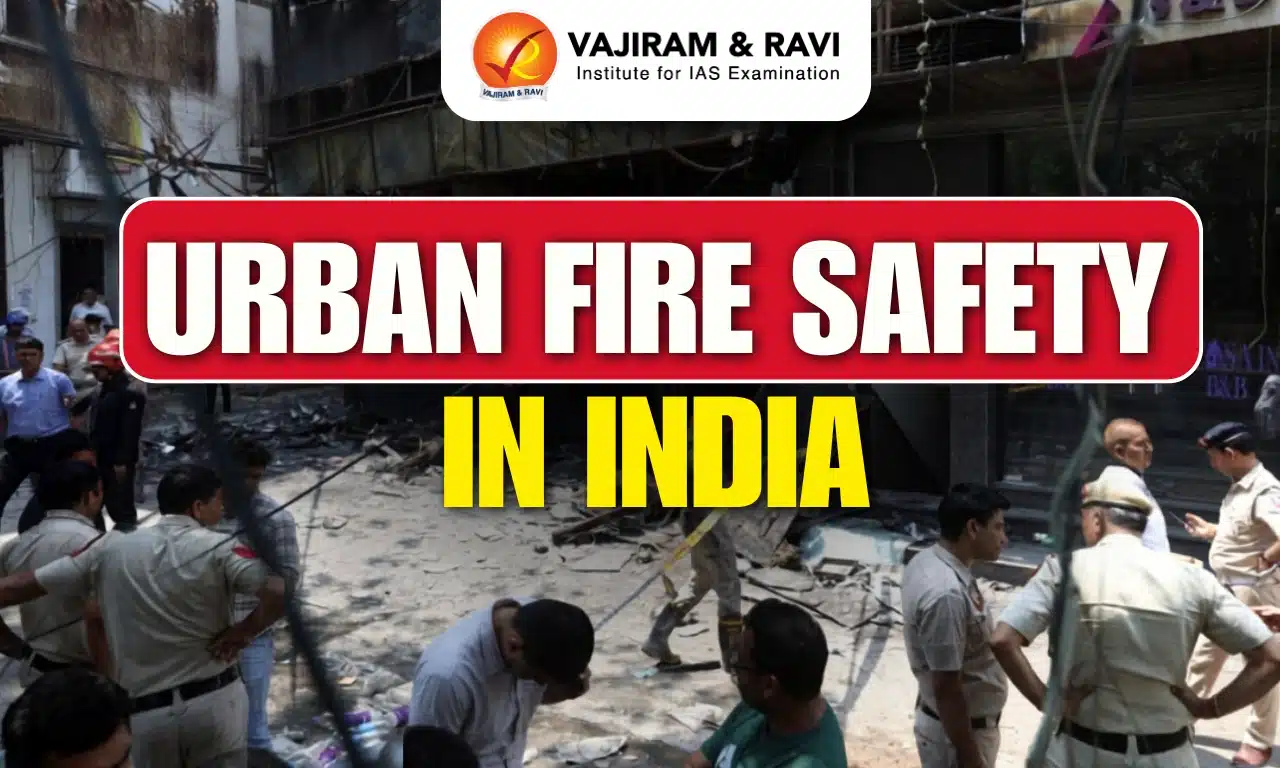
A series of devastating fires across India in early June 2026, including a deadly incident at a South Delhi guesthouse and a hospital fire in Bihar, have once again exposed critical deficiencies in the nation’s urban fire safety measures. Residential buildings continue to be the deadliest locations for fire-related fatalities, with recent data indicating they account for approximately 60% of all such deaths nationwide.
The Scale of the Problem
Analysis of the 2024 National Crime Records Bureau (NCRB) report reveals a grim reality: out of 5,888 fire-related deaths recorded across India, 3,555 occurred within homes and residential buildings. This trend persists despite an overall decline in fire fatalities over the years, underscoring a systemic issue where the places people feel most secure are, in fact, the most vulnerable. Beyond residences, hospitals and commercial areas like shopping centers also report high casualty numbers in non-residential spaces.
Why Residential Buildings Are So Vulnerable
Several interconnected factors contribute to the heightened risk in Indian residential areas. A significant challenge is the widespread lack of basic safety infrastructure. Many homes operate without essential elements like smoke alarms, fire suppression systems, or established evacuation plans. Routine safety awareness is also frequently absent, despite these being fundamental requirements for any building where people reside.
Adding to this vulnerability are illegal conversions and rampant violations of building codes. Residential properties are frequently converted into commercial establishments such as hotels, hostels, offices, and guesthouses without securing proper licenses or implementing necessary safety upgrades. The Flourish Stay B&B fire in Malviya Nagar, which was a converted and expanded former residence, serves as a stark example of this pervasive problem, a pattern observed across major Indian cities.
Common causes of residential fires are primarily electrical faults and LPG gas leaks. High electricity consumption, coupled with aging wiring, overloaded circuits, and faulty connections, creates constant ignition risks. Similarly, LPG leaks stemming from cylinder pilferage, non-standard equipment, or improper handling contribute significantly to fire incidents. Furthermore, the dense urban layout of many Indian settlements, characterized by narrow lanes and restricted access, severely impedes the swift arrival and effective operation of fire engines, complicating both firefighting and evacuation efforts.
Why Fire Spreads and Kills
The lethality of fires extends beyond flames. According to the National Institute of Disaster Management (NIDM), most fire victims succumb to asphyxiation, caused by oxygen depletion and the inhalation of toxic gases released from burning materials. These gases can lead to respiratory failure, while intense heat can trigger secondary explosions. The National Disaster Management Authority (NDMA) classifies fire as a “human-induced disaster,” emphasizing its preventable nature.
The Governance Gap
Fire services in India are a subject primarily managed at the state and municipal levels, as outlined in the Constitution’s State List and the Twelfth Schedule’s municipal functions. This places the onus on state governments and urban local bodies (ULBs), with the central government’s role largely advisory.
While the National Building Code (NBC) of India, 2016, provides detailed guidelines on construction, fire safety, and prevention systems, the critical issue lies in non-implementation. Fires like the one in Malviya Nagar are direct consequences of regulatory failures, where buildings expand in violation of existing norms without adequate oversight.
Resource constraints also plague fire services across India. The 15th Finance Commission acknowledged the severe lack of resources and equipment, recommending significant funds for modernization. A 2022 Ministry of Home Affairs report highlighted a considerable gap in the operational capabilities of fire and emergency services, particularly concerning specialized equipment needed for high-rise firefighting in rapidly growing urban areas.
Datos clave
| Aspect | Details |
|—|—|
| Primary Cause of Residential Fire Deaths | 60% occur inside homes and residential buildings. |
| Common Fire Triggers | Electrical faults, LPG gas leaks. |
| Governance Responsibility | State governments and urban local bodies (ULBs). |
| Key Regulation | National Building Code (NBC), 2016. |
The implications of these ongoing fire safety failures are profound for urban dwellers across India. The risk of devastating loss of life and property is a constant threat, exacerbated by inadequate infrastructure, lax enforcement, and insufficient resources for emergency services. The repeated pattern of tragic fires followed by public outcry and temporary measures, without systemic change, means that cities need a comprehensive, multi-stakeholder fire plan to ensure accountability and prevent future calamities.
Fuente: vajiramandravi.com – https://vajiramandravi.com/current-affairs/urban-fire-safety-in-india/
Datos clave
| Punto | Detalle |
|---|---|
| Fuente | vajiramandravi.com |
| Fecha | 2026-06-05T06:10:23+00:00 |
| Tema | Urban Fire Safety in India: Why Residential Areas Remain the Deadliest |
Fuente
vajiramandravi.com Publicacion original: 2026-06-05T06:10:23+00:00
Related stories

Carrot Top Hospitalized After Reported Suicide Attempt, Las Vegas Shows Canceled
The Luxor headliner was rushed to a Las Vegas hospital on Sept. 18 after what TMZ reported as a suicide attempt. His…
Read more
Jonas Hareide Leads NPS Pixbet Fortaleza High Roller Final Table With Half the Chips in Play
Swedish player Jonas Hareide enters the NPS Pixbet Fortaleza High Roller final table with a commanding chip lead, holding nearly half the…
Read more
Ramon Pessoa Wins NPS Pixbet Fortaleza On Fire Title After Last-Minute Trip
The two-time Northeast champion and PixPoker ambassador drove from Ubajara to Fortaleza on a whim, defeated a field of 165 entries, and…
Read more
UK Crypto Rules Set Application Date, But Impact on Video Poker Payments Remains Unclear
The FCA will open applications for crypto asset authorization on September 30, 2026, with the new regime taking effect in October 2027.…
Read more