
Colombian Presidential Race Heads to Runoff as Questions Swirl Around Results
Tough-on-crime candidate Aberaldo de la Espriella leads in the first round, setting up a runoff with Iván Cepeda, whose allies have raised doubts about the vote count.
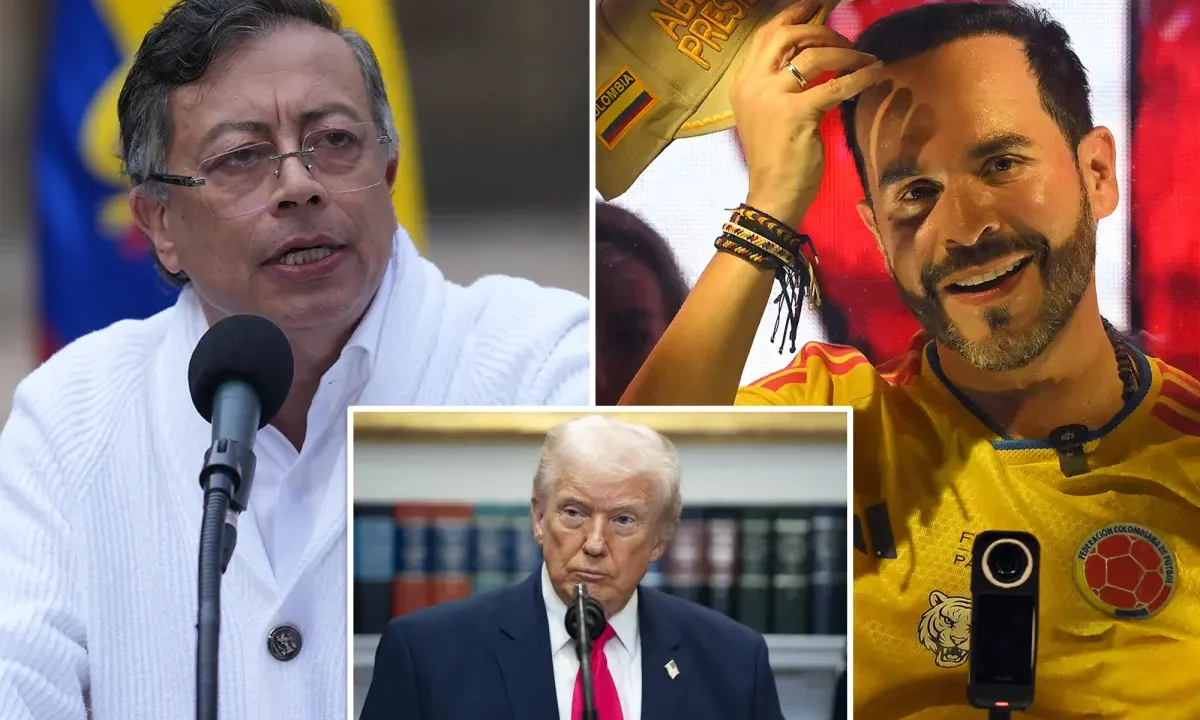
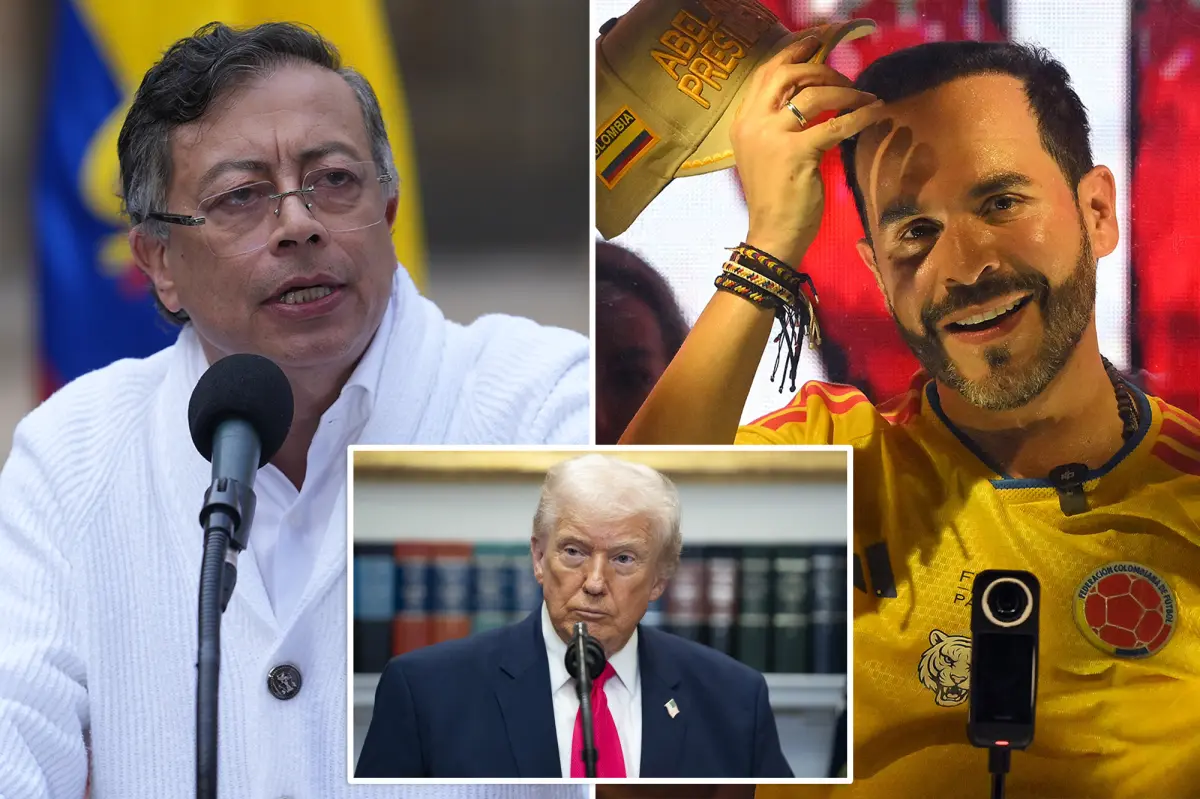
Colombia’s presidential election is heading to a runoff, with outsider Aberaldo de la Espriella taking a narrow lead over Iván Cepeda in the first round of voting. The outcome has been complicated by allegations of electoral irregularities from allies of the outgoing president, Gustavo Petro.
With 99.98% of votes counted, de la Espriella secured 44% of the vote, while Cepeda garnered 41%. The remaining votes were distributed among other candidates, meaning no single contender achieved the necessary majority to win outright in the first round. The runoff election is scheduled for June.
Election Doubts Raised
Cepeda, an ally of President Petro, and Petro himself have publicly questioned the integrity of the first-round results. They have claimed, without providing evidence, that hundreds of thousands of votes may have been manipulated and suggested the involvement of foreign actors in altering the outcome. Cepeda stated that his campaign would await a full clarification of the vote count by electoral authorities before commenting definitively on the results.
“Only when the vote-counting commissions have fully clarified what happened will we comment on tonight’s results,” Cepeda said, while acknowledging the likelihood of a second round.
A Tale of Two Visions
The election presents a stark contrast in visions for Colombia’s future, particularly concerning security and peace negotiations. Cepeda, a progressive senator, has pledged to continue President Petro’s “total peace” initiative, which involves negotiating peace pacts with various guerrilla and criminal organizations. This approach aims to address the root causes of conflict, such as lack of opportunities and corruption.
On the other hand, de la Espriella, a newcomer known as “El Tigre” (The Tiger), has campaigned on a tough-on-crime platform. He has promised a crackdown on armed groups and the construction of 10 mega-prisons, a strategy that echoes the policies of El Salvador’s President Nayib Bukele, which have been credited with reducing homicide rates but have also drawn criticism for alleged human rights abuses.
De la Espriella has also sought to align himself with former US President Donald Trump, stating, “Let the United States of America and democratic parties monitor this runoff election. I will lead this battle; I will be Colombia’s best warrior.”
Shifting Political Landscape
The election reflects a broader trend in Latin America, where voters are increasingly turning away from progressive policies that address underlying social issues and opting for candidates who promise strong security crackdowns. This shift occurs as the Trump administration has adopted a more assertive role in the region, pressuring countries to combat crime.
The runoff is seen by many as a referendum on Petro’s four-year term, which began with a historic peace deal intended to end decades of conflict with the Revolutionary Armed Forces of Colombia (FARC). However, violence has resurged, with armed groups exploiting peace negotiations to expand their territories. This has led to increased insecurity, including drone strikes and attacks on political figures.
Voter Sentiments
Voters express divided opinions on the best path forward. Maria Eugenia, a 57-year-old seamstress, supports de la Espriella’s hardline stance, stating, “Of course, whenever you come down with a heavy hand, there’s always going to be debate. But some people are going to have to fall to clean up what needs to be cleaned up.” She believes negotiating with armed groups rewards them.
However, sociologist Juan Acevedo, 62, fears a return to past cycles of violence if de la Espriella’s approach prevails. He supports Cepeda, hoping for a better balance between peace negotiations and maintaining state control. “We’re a country that has lived through 60 years of conflict,” Acevedo said. “The danger here is that we return to the times where everyone is saying that the only way to solve our problems is with bullets and more war.”
The first round’s close results suggest a challenging runoff for Cepeda, as de la Espriella is expected to attract support from voters who initially backed other conservative candidates.
Datos clave
| Aspecto | Detalle |
|—|—|
| Primeros resultados | Aberaldo de la Espriella lidera con 44%, Iván Cepeda con 41% |
| Próximo evento | Segunda vuelta presidencial en junio |
| Plataformas | De la Espriella: mano dura contra el crimen; Cepeda: negociaciones de paz |
| Contexto | Elección vista como referéndum sobre políticas de Petro y futuro de la paz |
This election’s outcome is significant for understanding political shifts in Latin America and the continent’s approach to security and conflict resolution. For our readers interested in the intersection of politics, global trends, and their potential impact on various sectors, this development highlights evolving strategies in governance and public safety.
Fuente: nypost.com, https://nypost.com/2026/06/01/world-news/pro-trump-candidate-aberaldo-de-la-espriella-pulls-ahead-in-colombia-presidential-vote-as-ruling-party-sows-doubt-in-results/
Datos clave
| Punto | Detalle |
|---|---|
| Fuente | nypost.com |
| Fecha | 2026-06-01T04:48:53+00:00 |
| Tema | Pro-Trump candidate pulls ahead in Colombia presidential vote as ruling party sows doubt in results |
Fuente
nypost.com Publicacion original: 2026-06-01T04:48:53+00:00
Related stories

NetJets Opens Private Las Vegas Terminal, Offering High-End Access for Poker-High-Roller Travelers
NetJets opens a private terminal at Harry Reid International Airport on Oct. 26, catering to fractional-ownership clients, including high-stakes poker players who…
Read more
Poker Week Roundup: Seward Tops Negreanu, Lithuanian Wins in Jeju, GGPoker Bans Third-Party Tools
A busy week in poker sees Daniel Seward defeat Daniel Negreanu at the Poker Masters, two Lithuanian players cash big in Jeju,…
Read more
BSOP Millions 2026 Announces 13 Days of Live Coverage with Hole Cards on YouTube and Twitch
The Brazilian Series of Poker will broadcast 13 days of live poker from São Paulo, including three Super High Roller events and…
Read more
Ivelin Kolev Wins WPT Prime Cyprus Championship for $171,600
Bulgarian player Ivelin Kolev outlasted a tough final table, going from the shortest stack five-handed to claiming the WPT Prime Cyprus title…
Read more