
Minnesota Enacts Crypto Custody Law for Banks, Bans Crypto ATMs
Minnesota has passed a new law allowing state-chartered banks and credit unions to offer digital asset custody services. Concurrently, the state will ban crypto ATMs starting in August 2026.
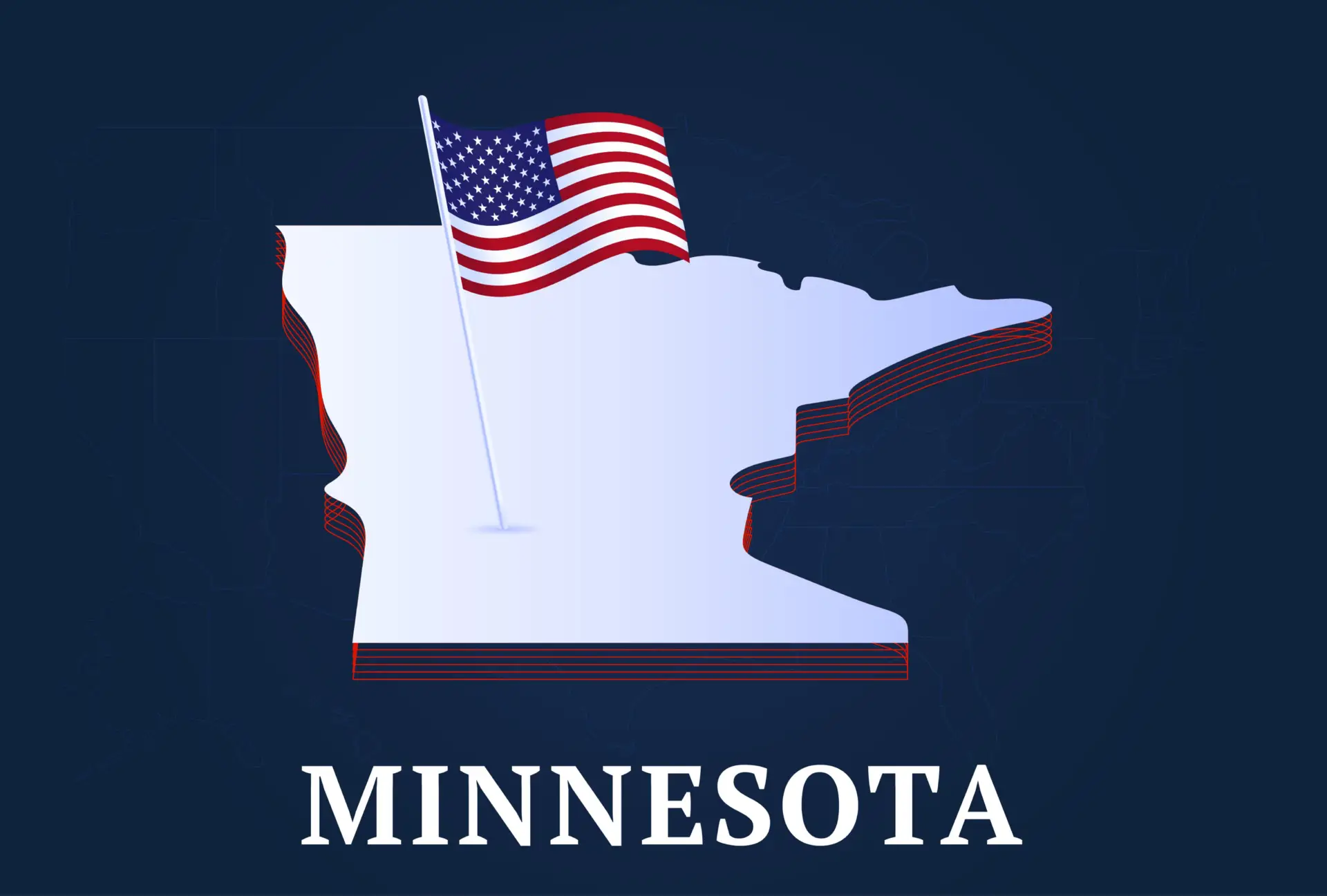
Minnesota has taken a significant step in regulating the digital asset landscape by enacting a new law that permits state-chartered banks and credit unions to provide cryptocurrency custody services. This legislative move, signed by Governor Tim Walz, aims to offer a clearer, regulated pathway for financial institutions to safeguard digital assets for their customers. The law, identified as HF 3709, is set to become effective on August 1, 2026.
Simultaneously, Minnesota is cracking down on the unregulated side of the crypto market with a statewide ban on virtual currency ATMs. Governor Walz also signed SF 3868, which prohibits the installation, operation, and maintenance of crypto kiosks from August 1, 2026, with all existing public kiosks required to be removed by December 31, 2026.
Custody Services for Digital Assets
The new custody law empowers Minnesota’s banks and credit unions to hold virtual currencies and private keys on behalf of their customers. This includes the safekeeping, control, and management of various digital assets. Financial institutions will be able to offer these services in both fiduciary and non-fiduciary capacities. For credit unions, the provision of such services must adhere to existing state and federal limitations.
A key aspect of this legislation is the requirement for institutions to operate in a “safe and sound manner.” This includes establishing written policies that cover critical areas such as risk management, internal controls, cybersecurity protocols, business continuity plans, and regulatory compliance. Furthermore, customer digital assets must be kept segregated from the bank or credit union’s own assets to ensure protection. Institutions also have the option to utilize qualified third-party providers or subcustodians, though the ultimate oversight responsibility remains with the primary institution.
Rationale Behind the Law
Rep. Bernie Perryman, one of the bill’s authors, highlighted that HF 3709 is designed to enable Minnesota’s financial institutions to evolve with their customers’ needs. The intention is to provide local, regulated options for digital asset management, preventing residents from needing to seek services from out-of-state or offshore providers. The Minnesota Credit Union Network has also voiced support, stating that the law offers residents a “safer way to manage crypto” through regulated entities.
This timing aligns with broader federal banking policy trends, where regulatory guidance for digital asset services has become increasingly clear. The Office of the Comptroller of the Currency (OCC), for instance, has already permitted regulated banks to engage in the buying, selling, and custody of customer-held cryptocurrencies.
Banning Crypto ATMs
In a separate but related move, Minnesota will ban virtual currency ATMs statewide. The legislation mandates that operators must remove all public crypto kiosks by the end of 2026. This ban covers all aspects of crypto ATM operations, from installation to public use. Operators are also required to return customer funds before ceasing operations, either in U.S. dollars based on market value or as crypto transferred to a customer-selected wallet. This measure indicates a regulatory effort to curb potential risks associated with less regulated crypto access points.
Implications for PlayVideoPoker Readers
While PlayVideoPoker primarily focuses on video poker games and strategies, the broader regulatory environment for digital assets can impact payment methods and the financial infrastructure surrounding online gaming. As cryptocurrencies become more integrated into the financial system, understanding how states like Minnesota are regulating them is crucial. These laws could influence how players manage their funds for online transactions, including deposits and withdrawals at regulated online casinos that may accept digital currencies. The move towards regulated custody services could eventually lead to more stable and secure options for players to hold and transfer digital assets, while the ATM ban limits one type of access point to digital currencies.
Datos clave
| Característica | Detalle |
|---|---|
| Ley de Custodia | HF 3709, permite a bancos y uniones de crédito estatales custodiar activos digitales. |
| Fecha de Entrada en Vigor | 1 de agosto de 2026 para la ley de custodia y el inicio de la prohibición de cajeros automáticos. |
| Prohibición de Cajeros Automáticos | SF 3868, prohíbe cajeros automáticos de criptomonedas; todos deben ser retirados antes del 31 de diciembre de 2026. |
| Supervisión | Los bancos y uniones de crédito deben notificar al Comisionado de Comercio de Minnesota 60 días antes de ofrecer servicios. |
Fuente: iGaming.org – https://igaming.org/uncategorized/minnesota-signs-crypto-custody-law-for-banks-and-credit-unions/
Fuente
iGaming.org Publicacion original: 2026-05-19T07:30:40+00:00
Related stories

Jonas Hareide Leads NPS Pixbet Fortaleza High Roller Final Table With Half the Chips in Play
Swedish player Jonas Hareide enters the NPS Pixbet Fortaleza High Roller final table with a commanding chip lead, holding nearly half the…
Read more
Ramon Pessoa Wins NPS Pixbet Fortaleza On Fire Title After Last-Minute Trip
The two-time Northeast champion and PixPoker ambassador drove from Ubajara to Fortaleza on a whim, defeated a field of 165 entries, and…
Read more
UK Crypto Rules Set Application Date, But Impact on Video Poker Payments Remains Unclear
The FCA will open applications for crypto asset authorization on September 30, 2026, with the new regime taking effect in October 2027.…
Read more
OpenBet’s OmniLogic Acquisition Signals Broader Lottery-Sportsbook Convergence
OpenBet’s planned purchase of OmniLogic, a lottery sportsbook specialist, points to a growing trend of lottery and sportsbook platform integration. While the…
Read more