
2026 WSOP Main Event Final Table: Every Finalist’s Biggest Tactical Worry
The 2026 WSOP Main Event final nine return on August 3. Chip counts, seating and the one strategic problem each player must solve before play resumes.
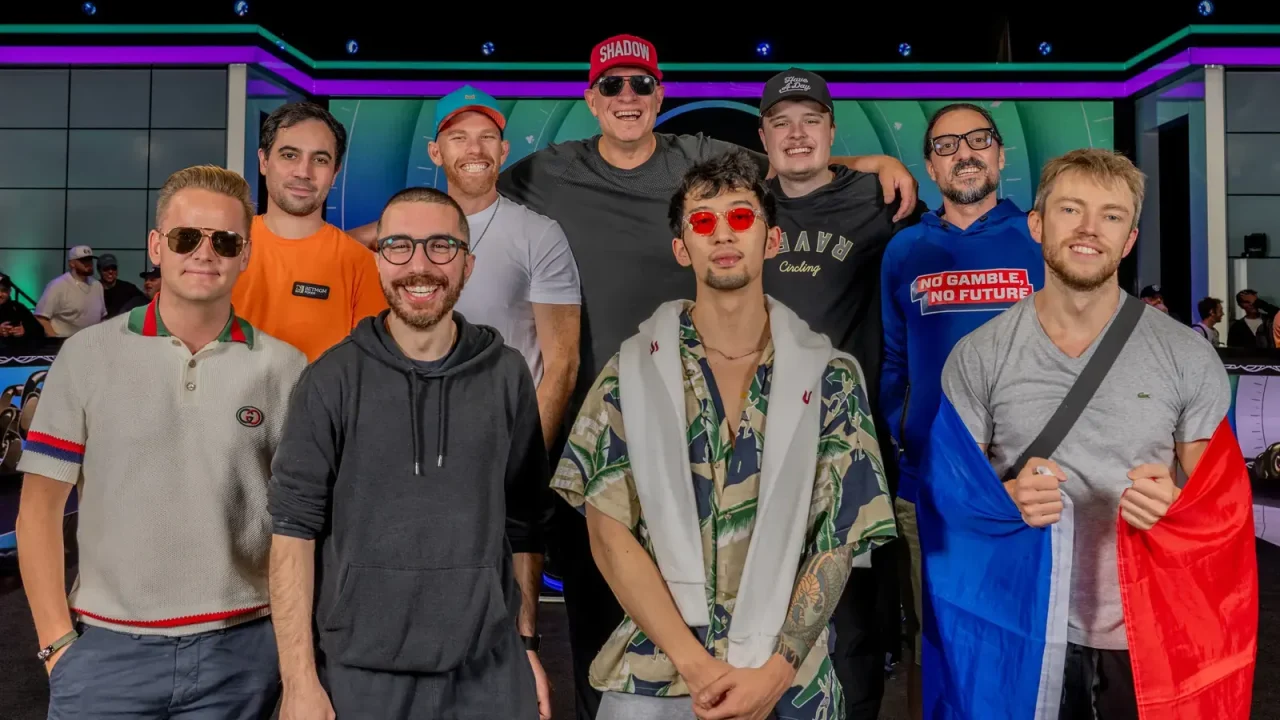
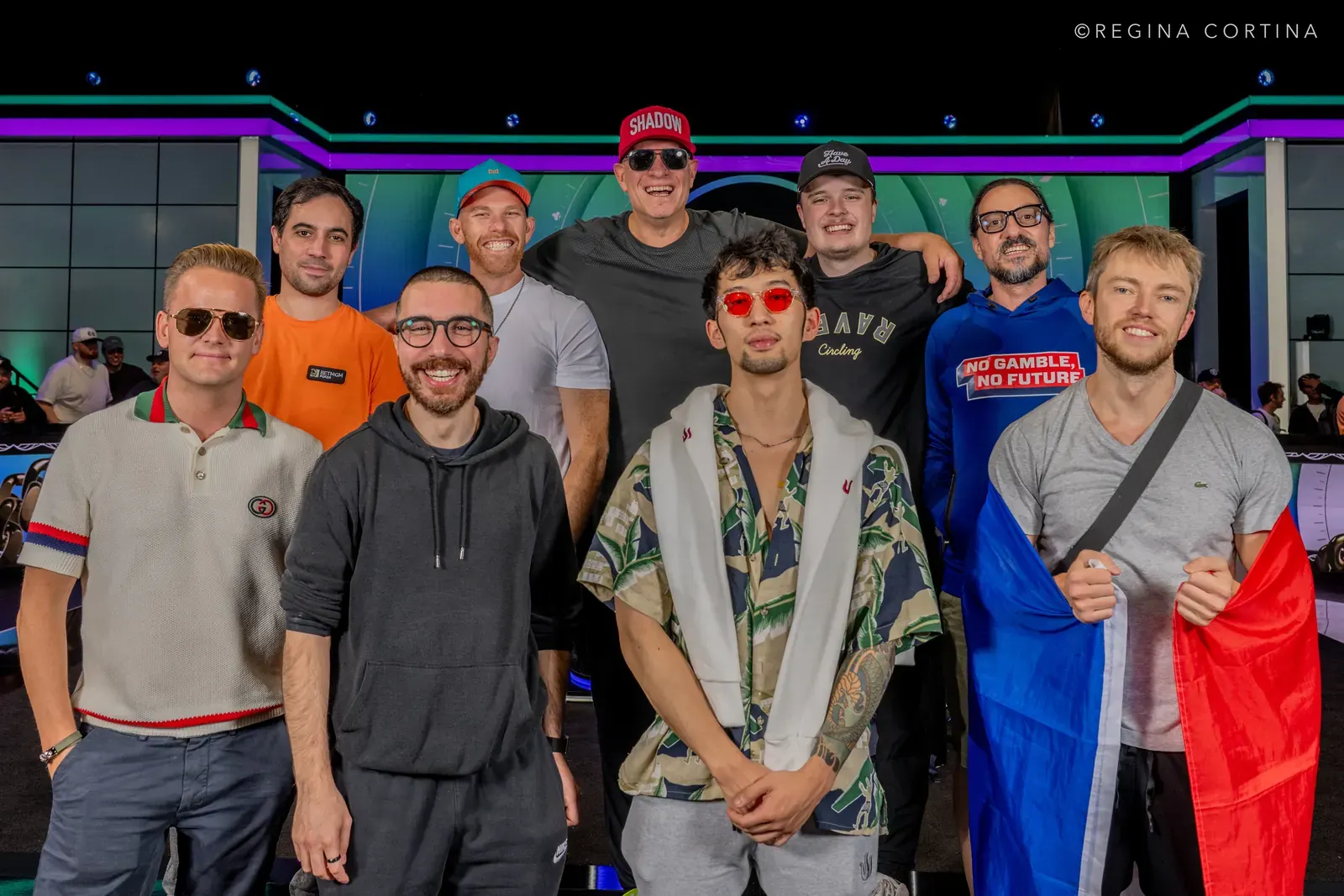
The 2026 WSOP Main Event resumes on August 3 under the ESPN lights, and the nine remaining players have spent nearly two weeks thinking about what could go wrong. PokerNews published a seat-by-seat strategy breakdown on August 1, identifying a distinct tactical problem for each finalist before the $10,000,000 first-place prize is decided.
Chip leader Lucas Jumalon holds 194,000,000 chips (129 big blinds) — more than the bottom five stacks combined. But the rest of the table is not returning idle.
The table: chips, seats and the one threat that matters
| Player | Stack | Big blinds | Key worry |
| Lucas Jumalon (United States) | 194,000,000 | 129 | Historic lead and the psychological weight of a layoff |
| Rami Hammoud (Canada) | 79,000,000 | 53 | Short-stack landmines on both sides |
| Jamie Shaevel (United States) | 56,000,000 | 37 | Pricing himself into calling short-stack shoves |
| Han Feng (United States) | 25,000,000 | 17 | Shove timing with big stacks on his left |
| Evagoras Evagorou (Cyprus) | 22,500,000 | 15 | The chip leader sitting directly on his left |
The short stacks have the least room for error
Evagoras Evagorou drew the worst seat at the table. At 15 big blinds he is the shortest stack, and Lucas Jumalon, the one player who can effortlessly call or re-shove him, sits directly to his left in Seat 9. Any attempt to steal the blinds can be priced out instantly, so Evagorou has to find accumulation spots without getting chopped up by the leader.
Han Feng has 17 big blinds and is in classic push-or-fold territory. His problem is less about whether to shove and more about who is in the big blind. Rami Hammoud (53 BB) sits directly on Feng’s left, and Jumalon (129 BB) is only two seats away; both can call an all-in lighter than anyone else at the table. Feng needs to time his shoves around those wide-calling stacks.
The middle-stack squeeze is a positional maze
Lauri Saaskilahti (37.5M, 25 BB) normally benefits from acting after a wide-opening chip leader. But with Jumalon to his right, Saaskilahti does not have enough depth to flat-call and play post-flop. Michael Gagliano, who covers him from Seat 2, can re-raise and squeeze whenever Saaskilahti tries to play back.
Gagliano has his own problem: when action folds to him, Mario Boos and Greg Mueller are waiting in position. Boos is stuck in what PokerNews calls a “sandwich effect” between Gagliano and Mueller, so his middle-position opening ranges need to shrink to avoid getting caught in the crossfire. Mueller, a former NHL player who likes to dictate the pace, faces Jamie Shaevel’s larger stack on his left, which caps his freedom to run creative bluffs or open wide.
Jamie Shaevel (56M, 37 BB) has position on Mueller, but the table shifts dramatically after him. Han Feng and Evagoras Evagorou are short stacks sitting to his left. When Shaevel opens to pick up dead money, he risks pricing himself into calling a 15-17 BB shove and losing a significant portion of his healthy stack. His real battle is punishing Mueller without walking into the shorties’ re-shove traps.
Hammoud’s second place is an awkward target
Rami Hammoud is second in chips with 53 big blinds, but his position makes the stack less comfortable than the number suggests. He acts right after Han Feng and right before Evagoras Evagorou. If Feng shoves, Hammoud must decide whether to risk chips calling; if Hammoud opens normally, Evagorou can re-shove from directly behind. His challenge is navigating both landmines without bleeding away his second-place advantage.
Jumalon’s real opponent is the layoff
Lucas Jumalon’s problem is not any single player. The 22-year-old has more chips than the bottom five stacks combined, which makes the tournament statistically his to lose. History, however, suggests massive chip leaders often slow down after a three-week break as opponents hire coaches and dissect their play. The report identifies the core risk as psychological: Jumalon has to keep his foot on the gas without letting the long wait and the size of his lead change his aggression.
What remains unclear
The PokerNews breakdown is strategic analysis based on stack sizes and seating, not an account of what the players have said they will actually do. Several finalists are likely using the break to prepare with coaches, but specific plans and range adjustments have not been made public. The outcome still depends on who adapts fastest when the cards are back in the air.
Source: https://www.pokernews.com/news/2026/08/the-strategic-playbook-every-wsop-finalists-biggest-worry-51926.htm
Datos clave
| Punto | Detalle |
|---|---|
| Fuente | PokerNews |
| Fecha | 2026-08-01T14:00:00+00:00 |
| Tema | The Strategic Playbook: Every WSOP Main Event Finalist's Biggest Worry |
Fuente
PokerNews Publicacion original: 2026-08-01T14:00:00+00:00
Related stories
MLB Star Ronald Acuna Jr. Signs Prediction Market Deal, Raising Questions for Video Poker Operators
Atlanta Braves' Ronald Acuna Jr. becomes the first MLB player to endorse prediction market Kalshi. The deal highlights a growing regulatory gray…
Read more
Meta Partners With Paf to Fight Unlicensed Gambling Ads, Starting in Switzerland
Paf will share licensing data with Meta to help remove ads from unlicensed gambling operators. The pilot begins in Switzerland and could…
Read more
Nobel Literature Betting Odds Draw Interest From Video Poker Players Who Follow Prop Markets
Betsson releases 2026 Nobel Prize in Literature odds with Can Xue as favorite. The prop-betting market offers a crossover angle for video…
Read more
Jonas Kronwitter Wins PGT PLO Series, Dominates Omaha Field in Las Vegas
Austrian poker pro Jonas Kronwitter took down the PGT PLO Series at the PokerGO studios in Las Vegas, winning two events and…
Read more